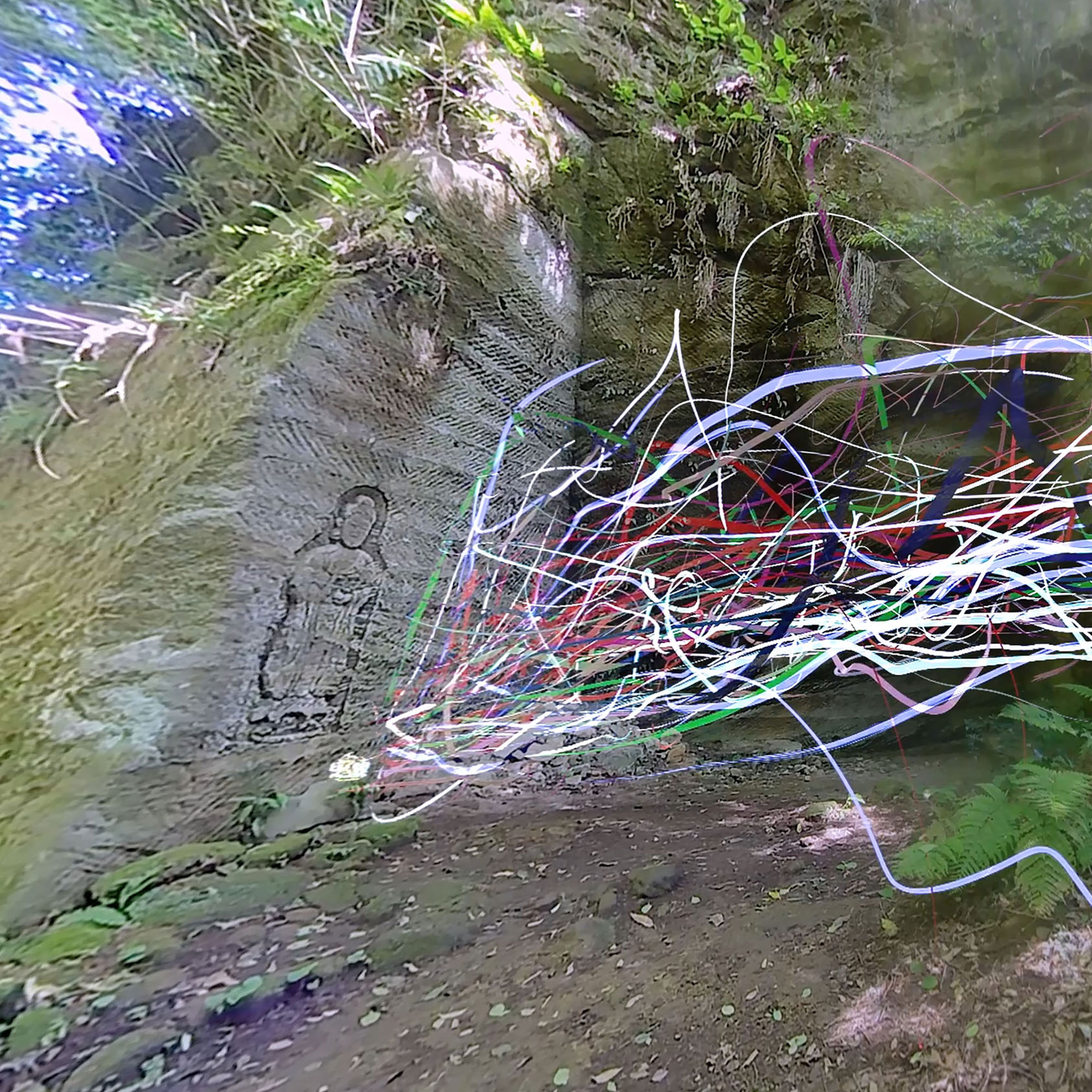
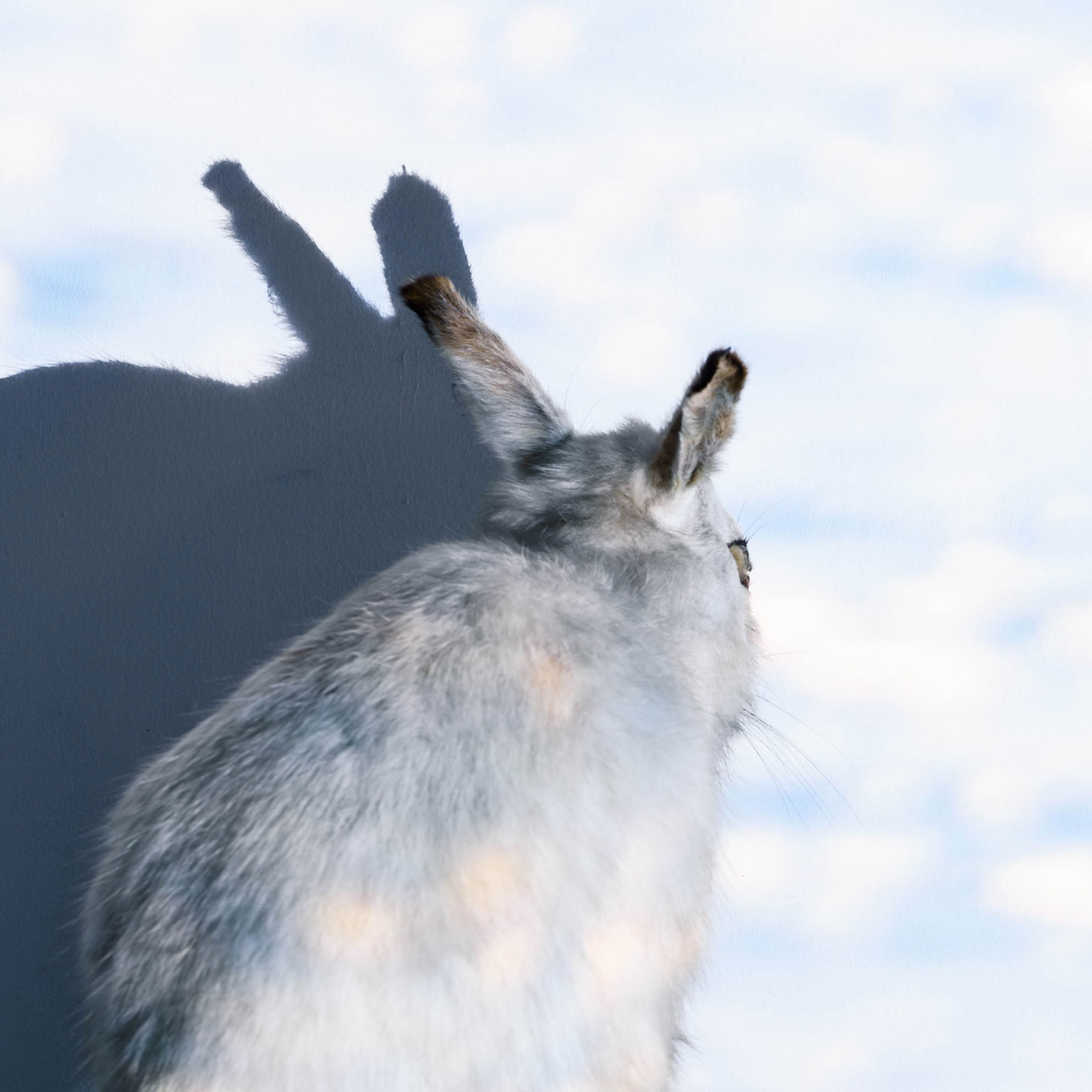
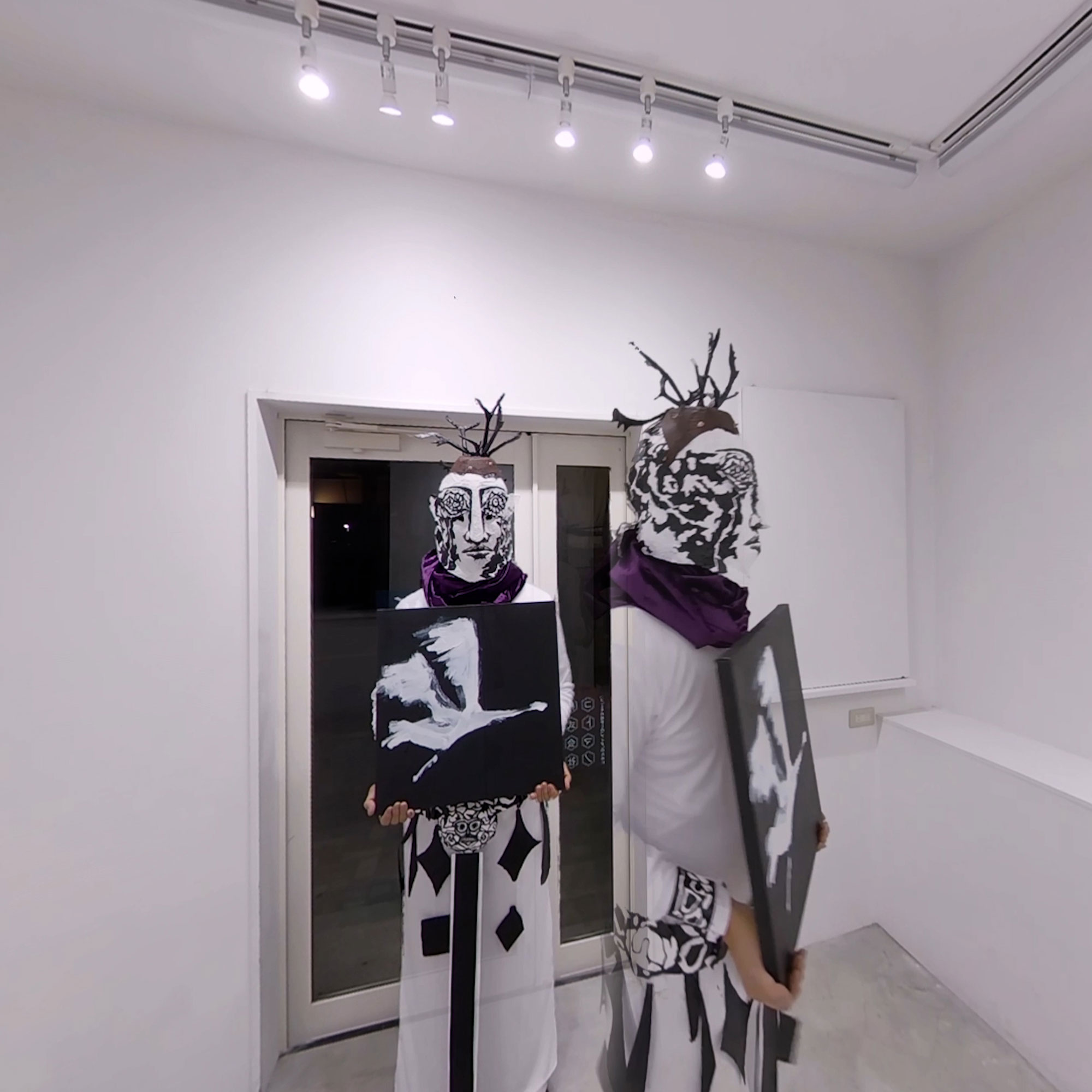
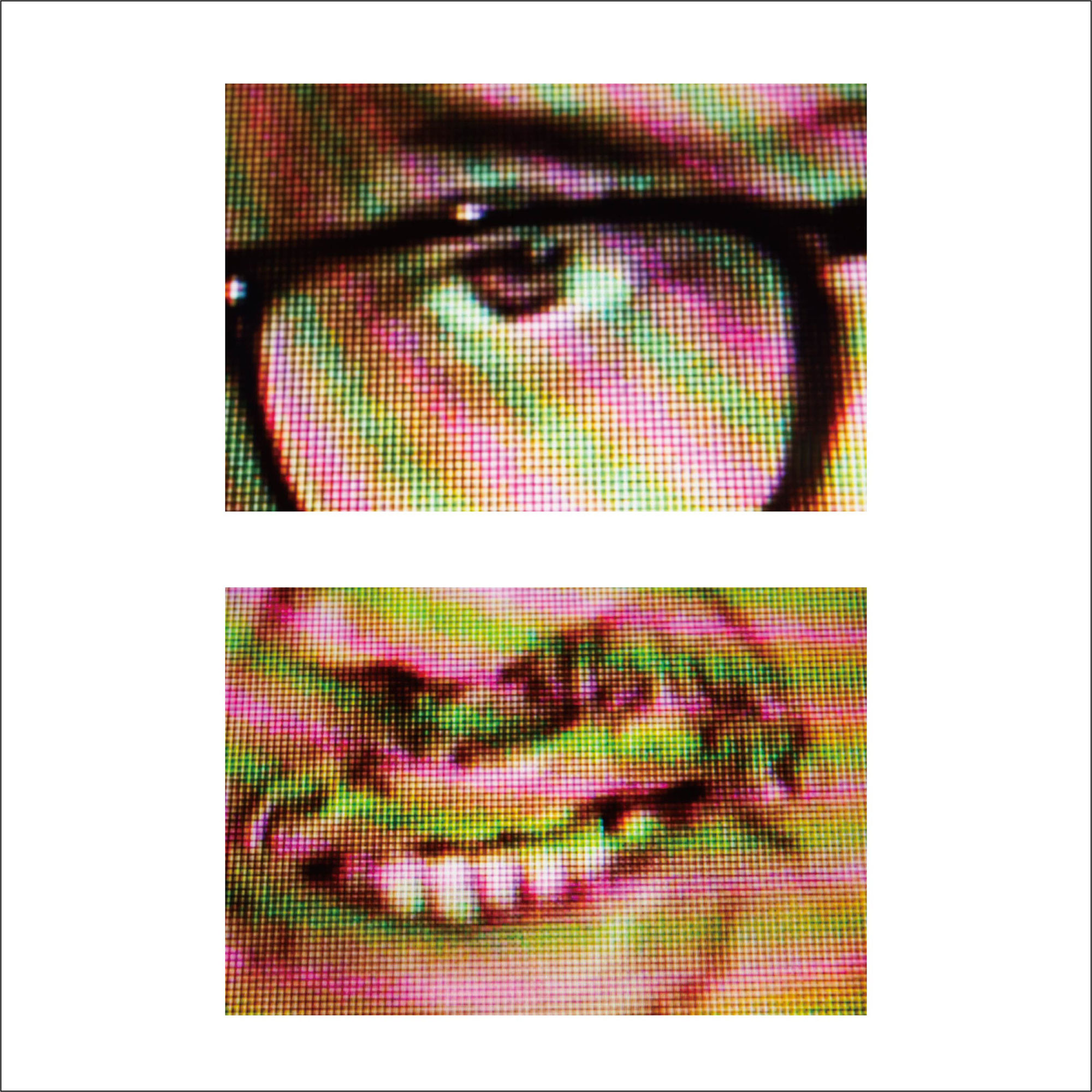
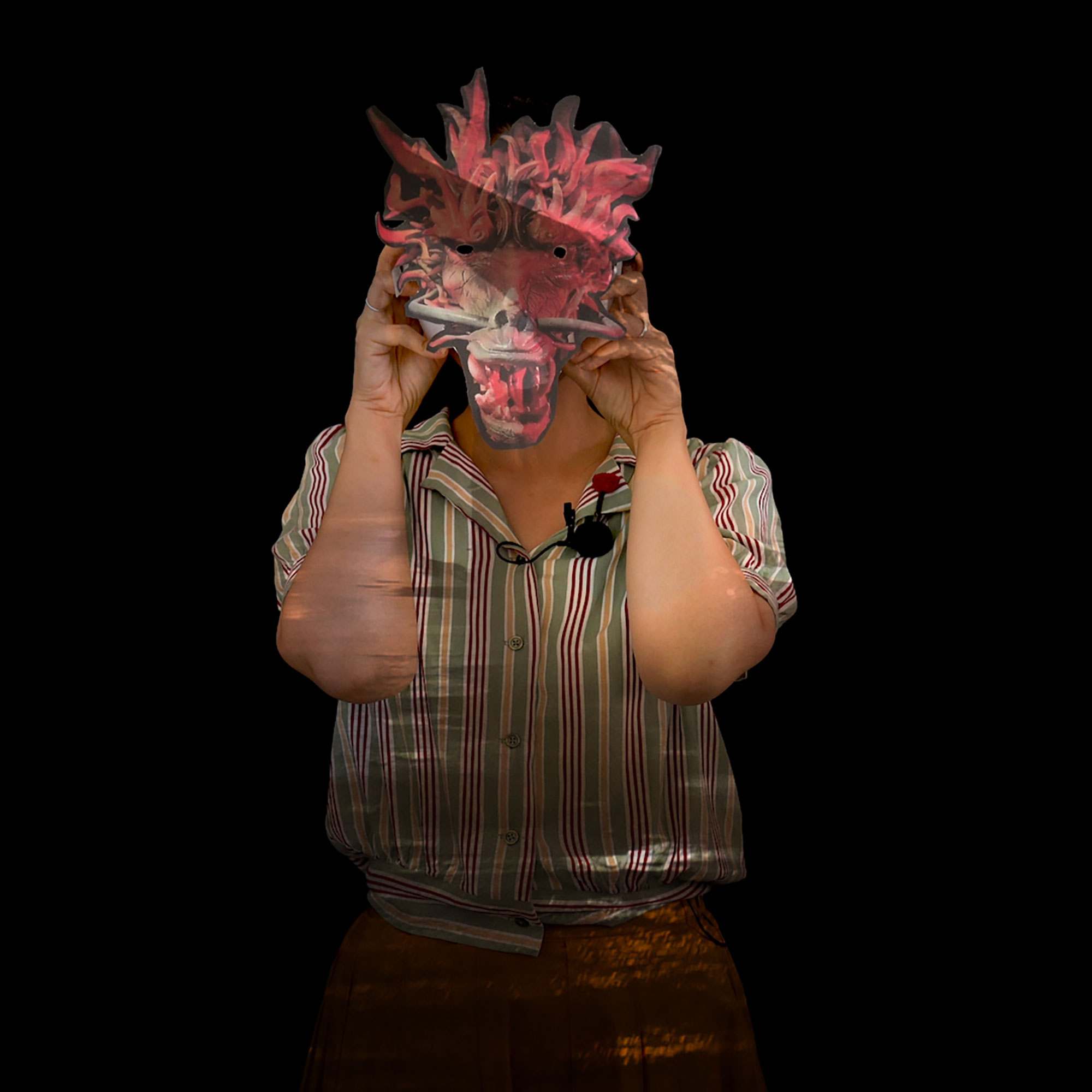
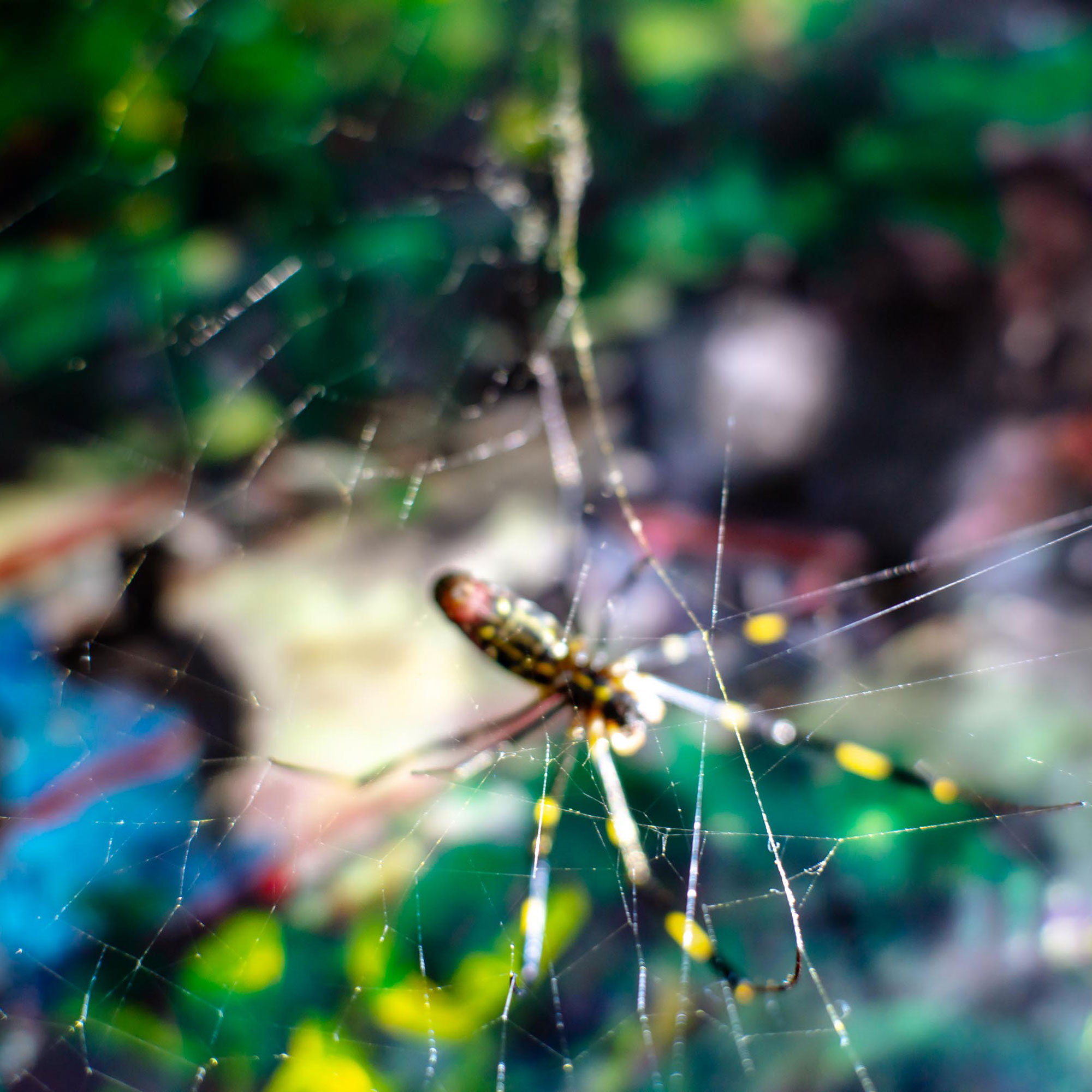
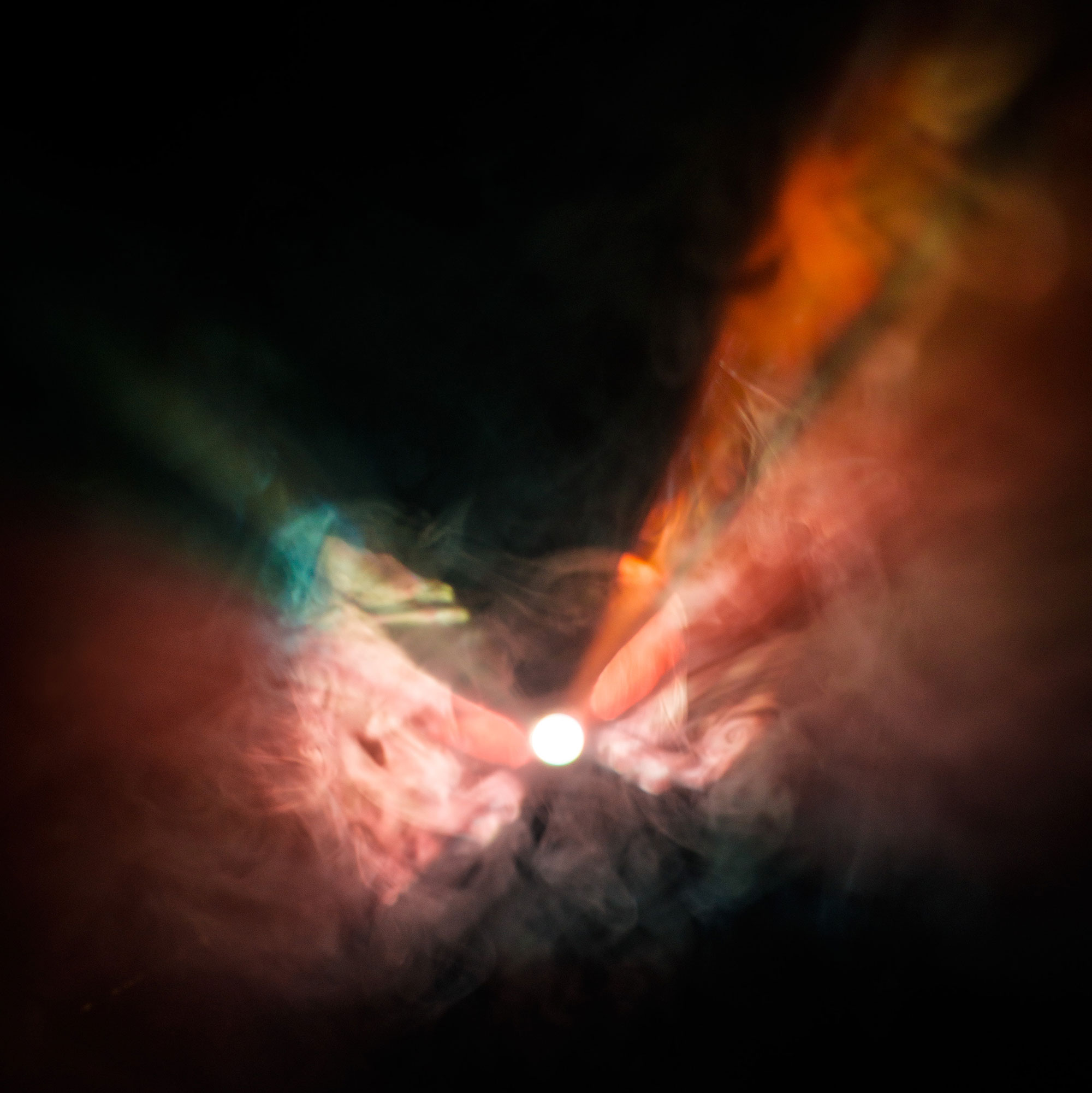
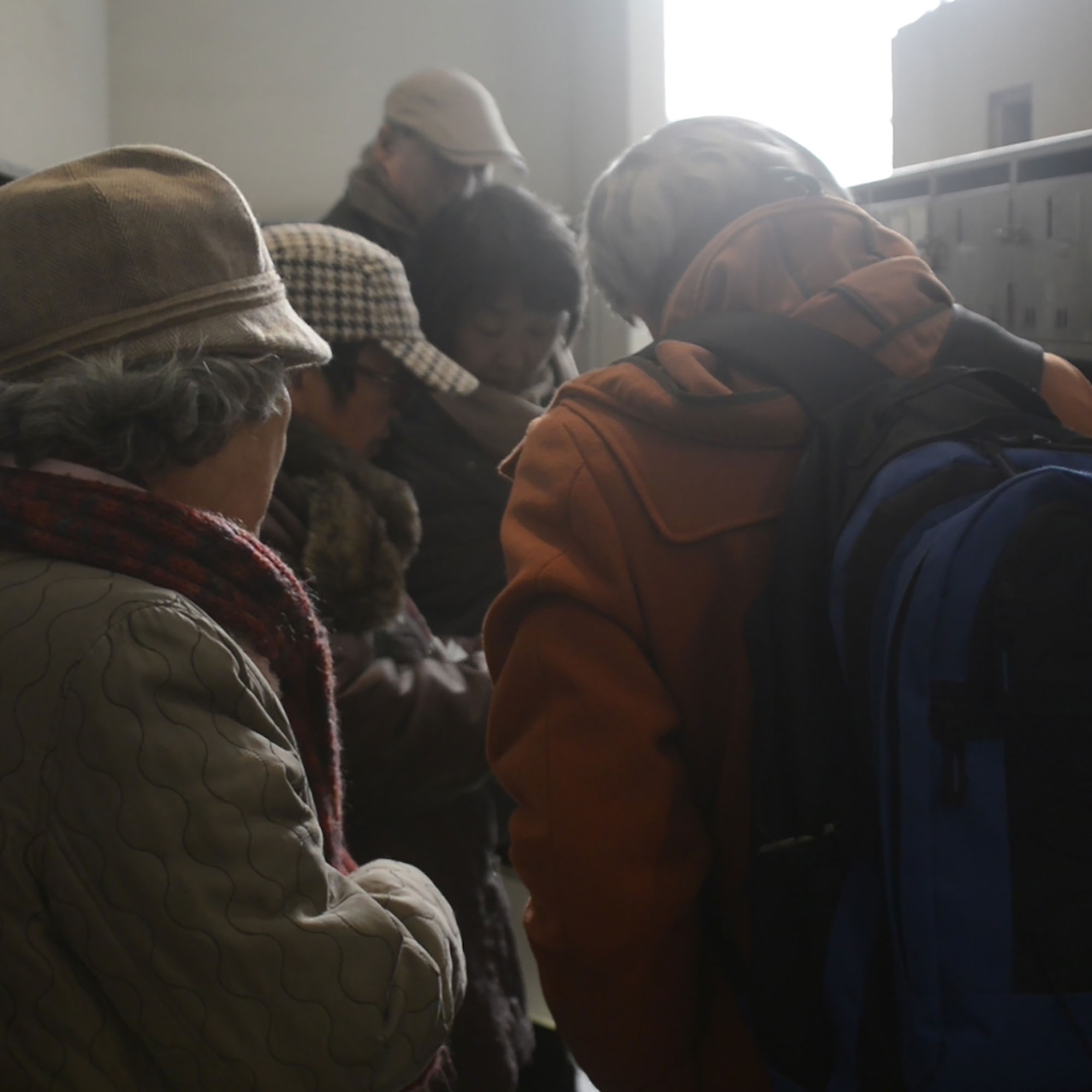
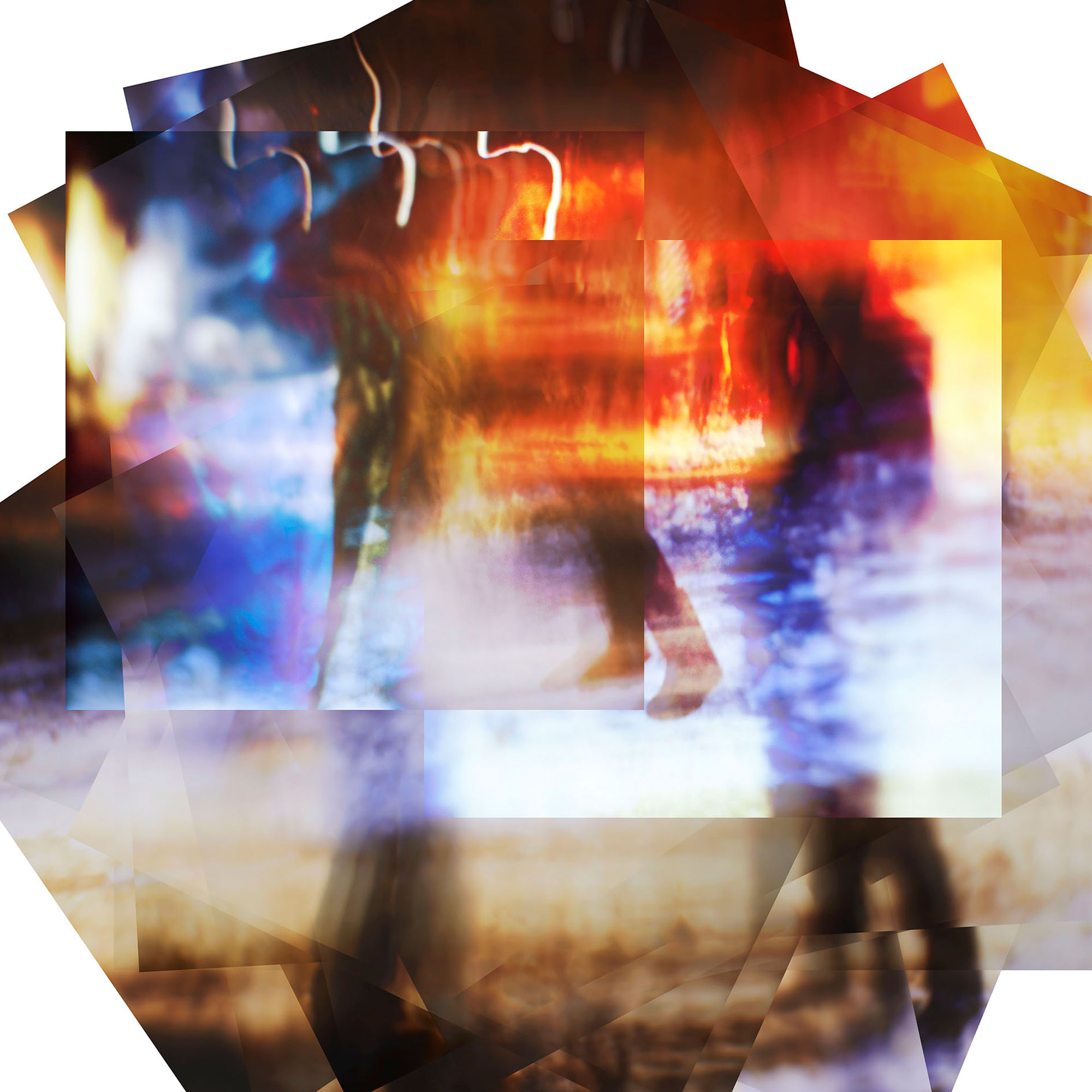
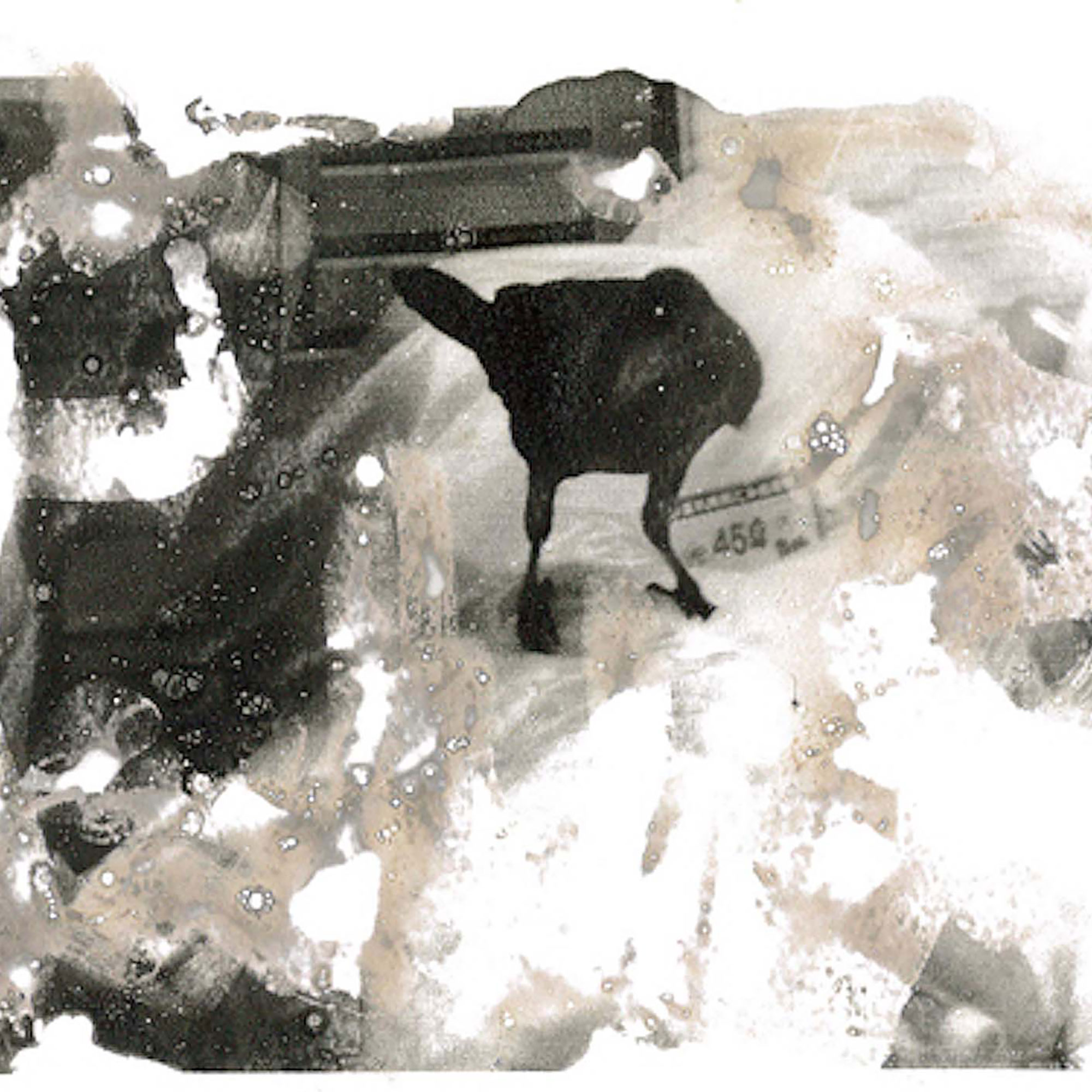
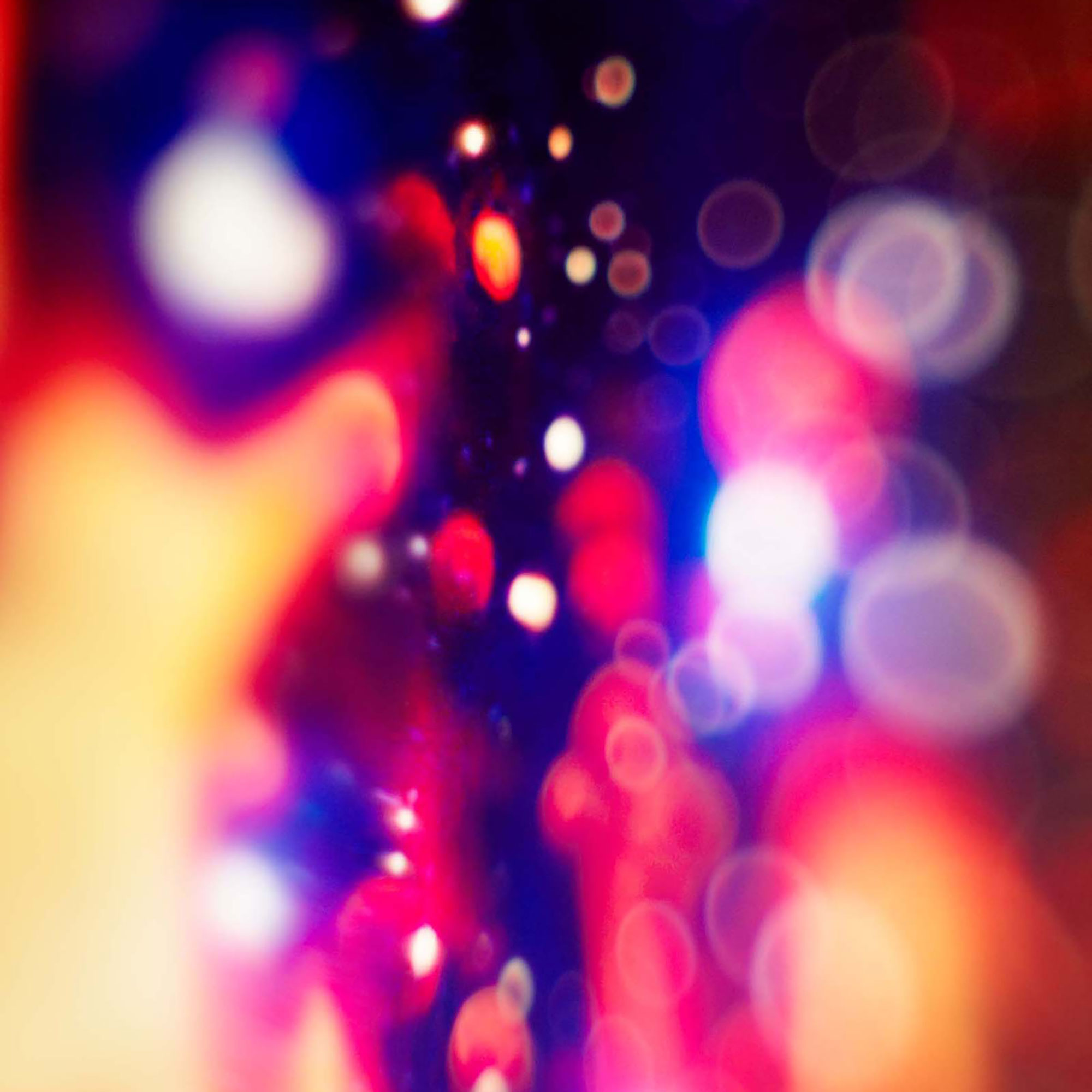
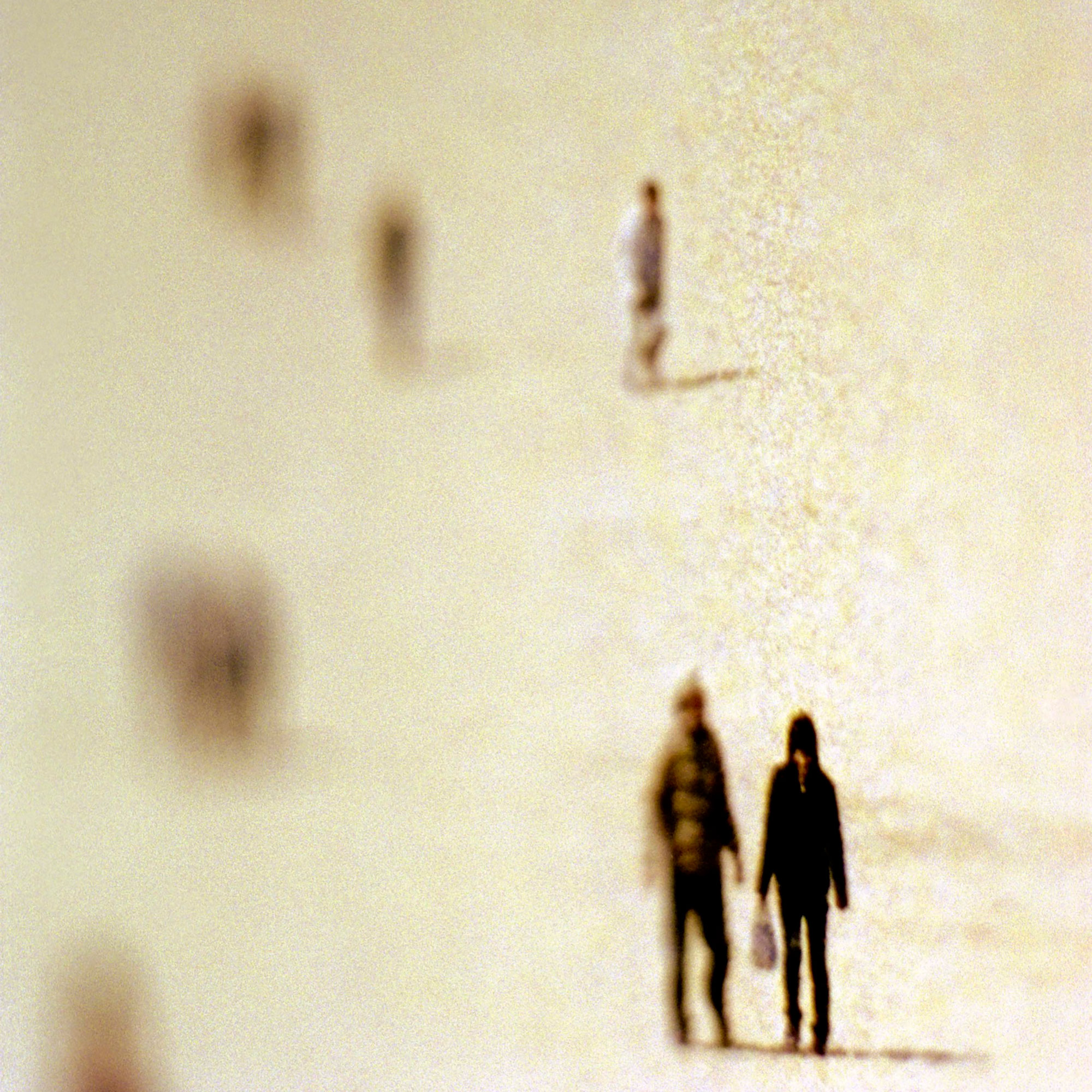
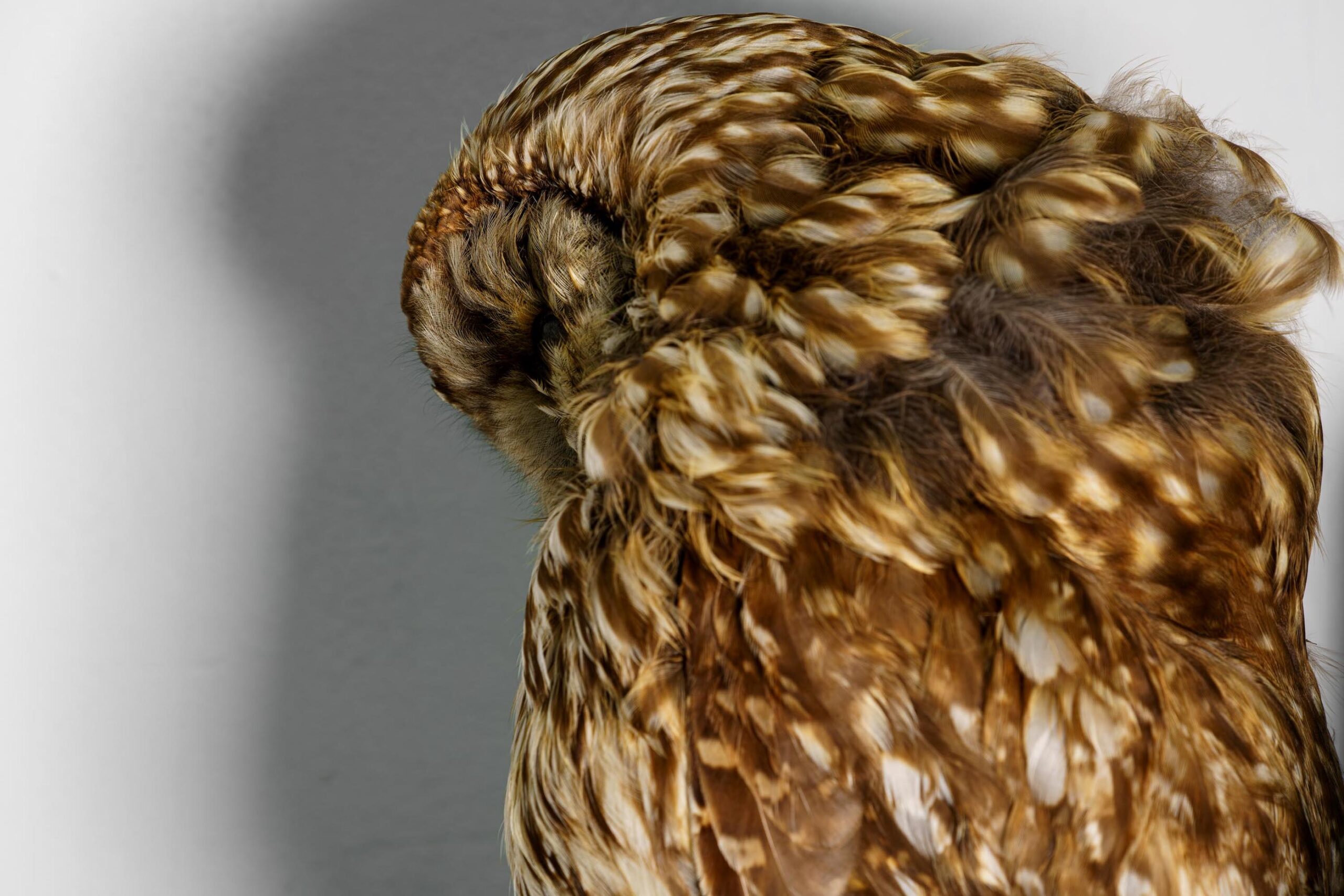
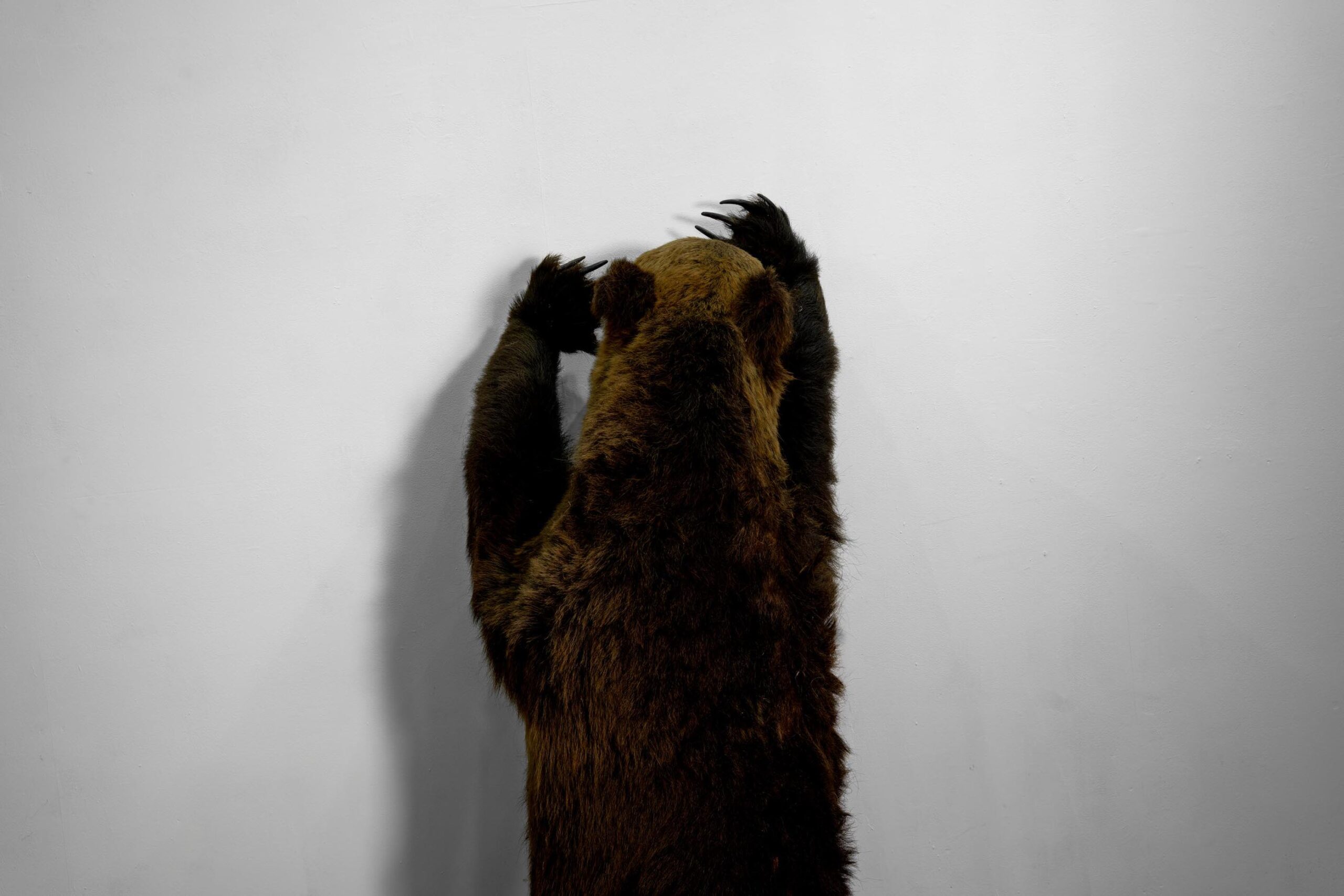
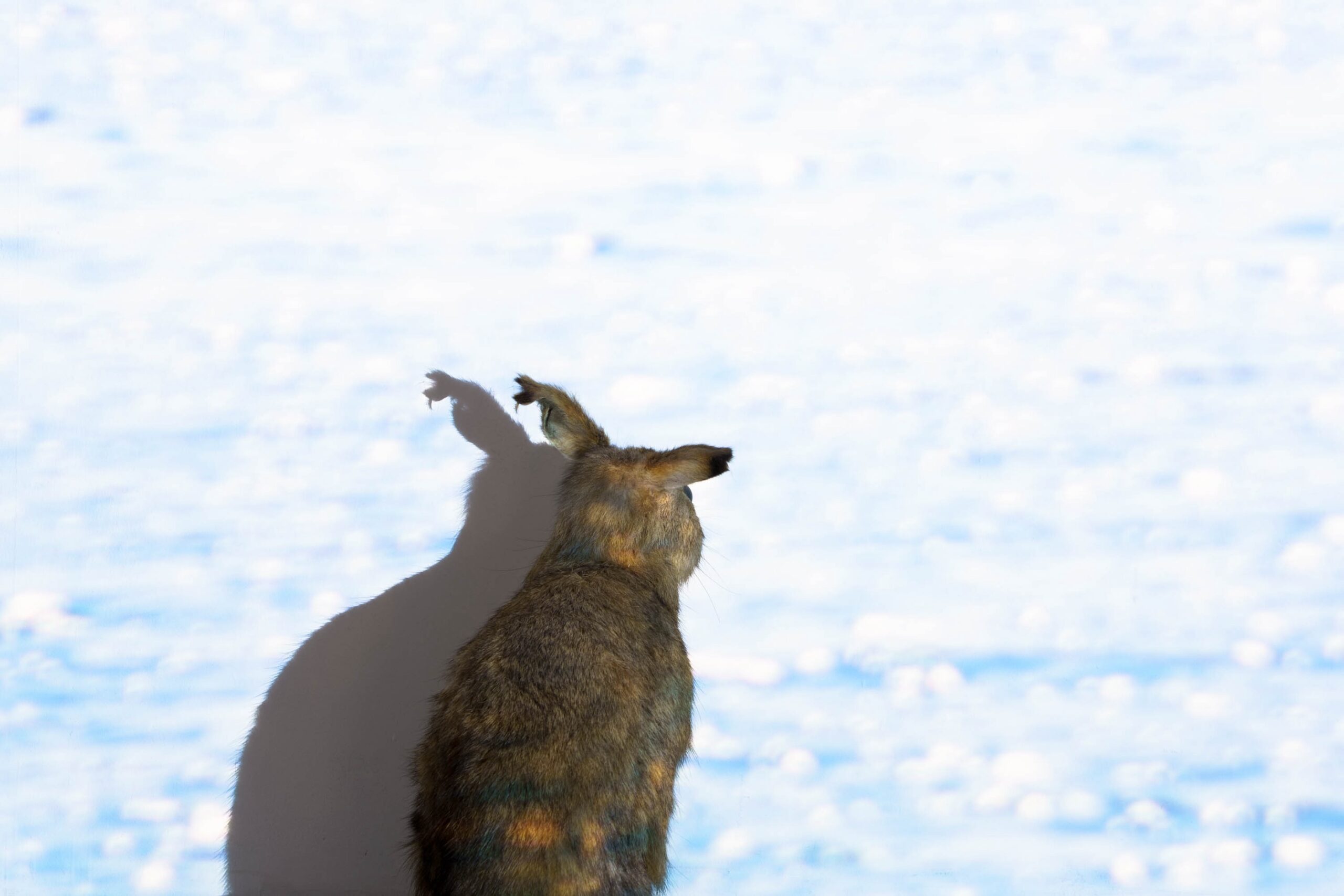
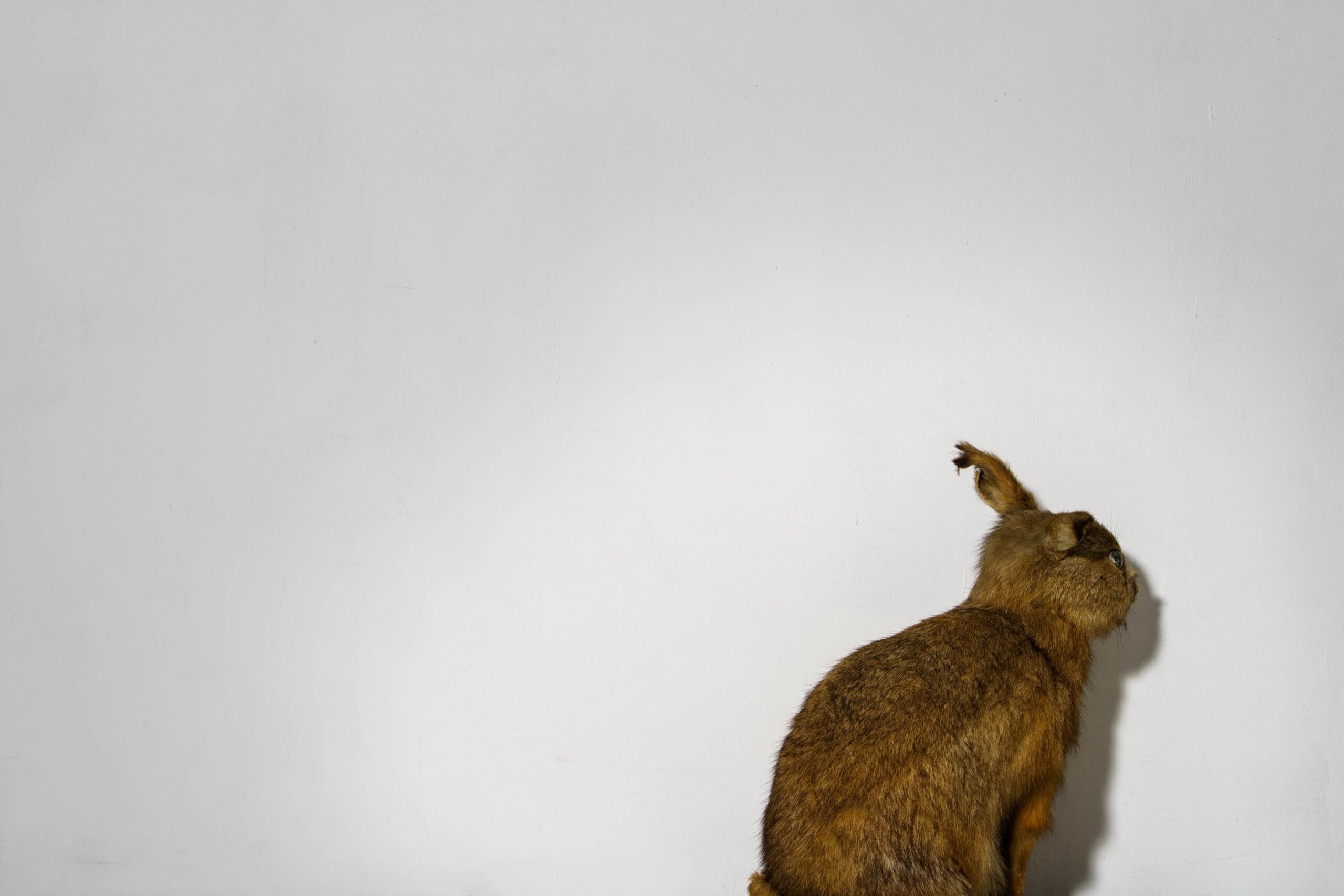
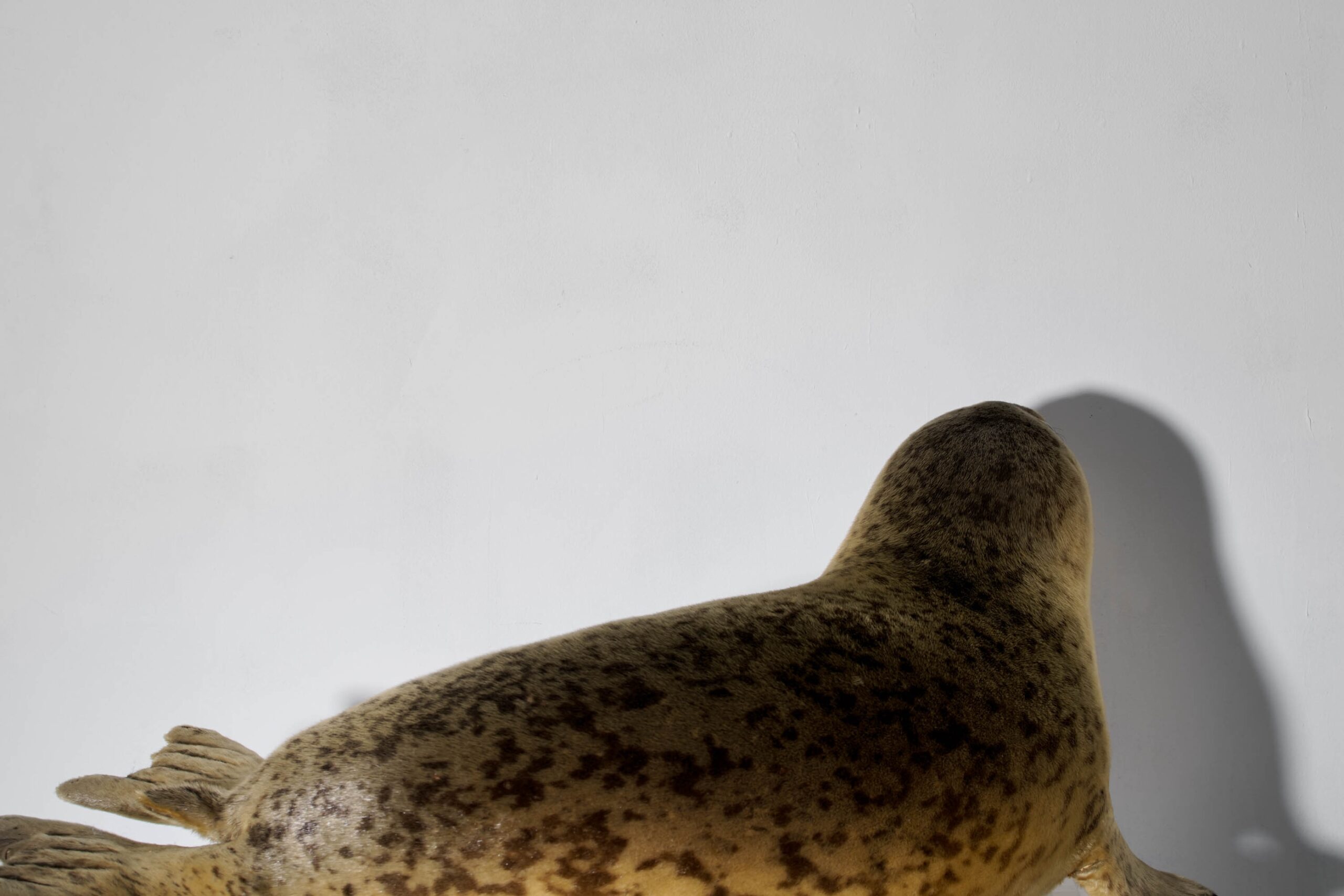
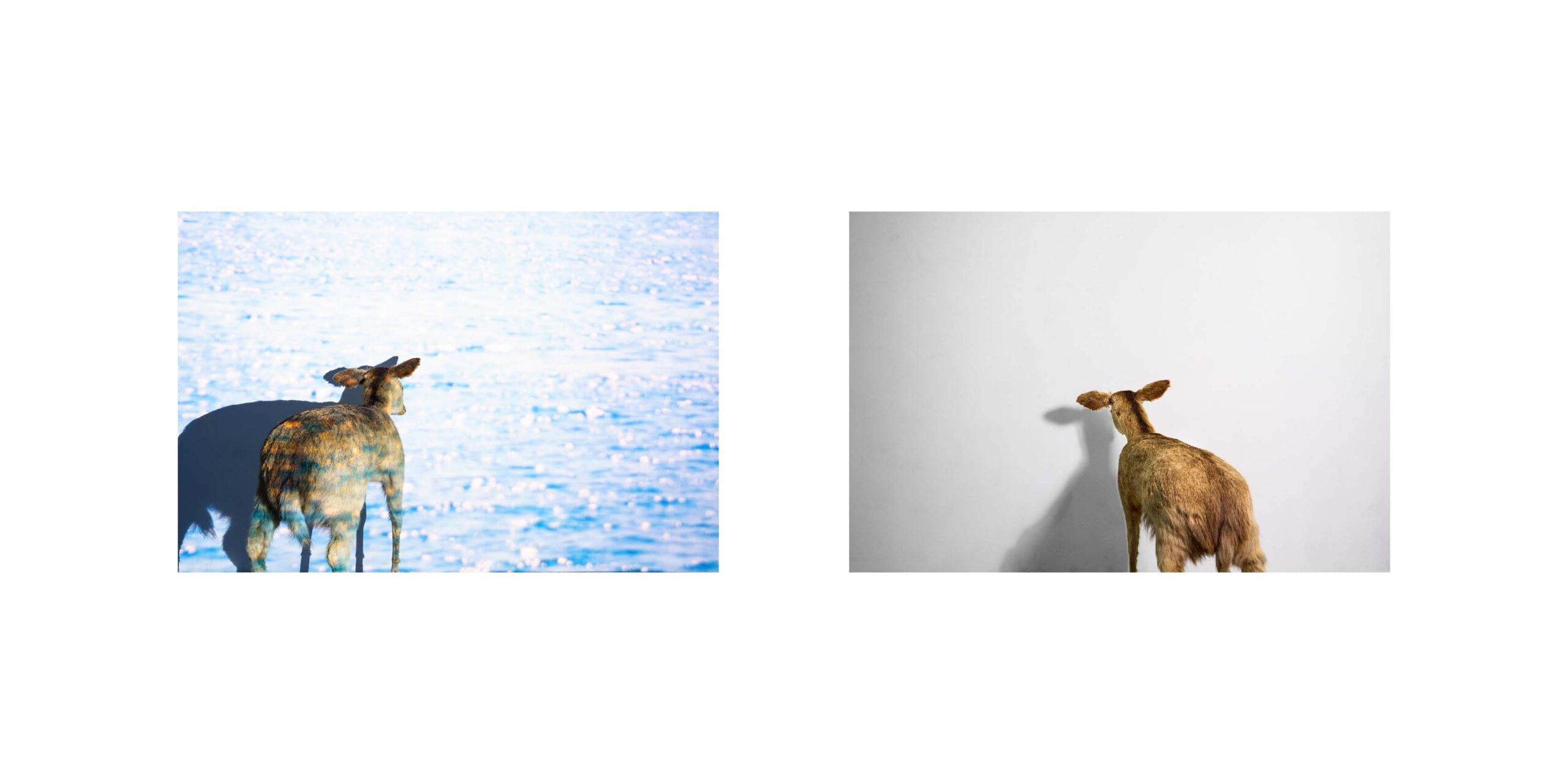
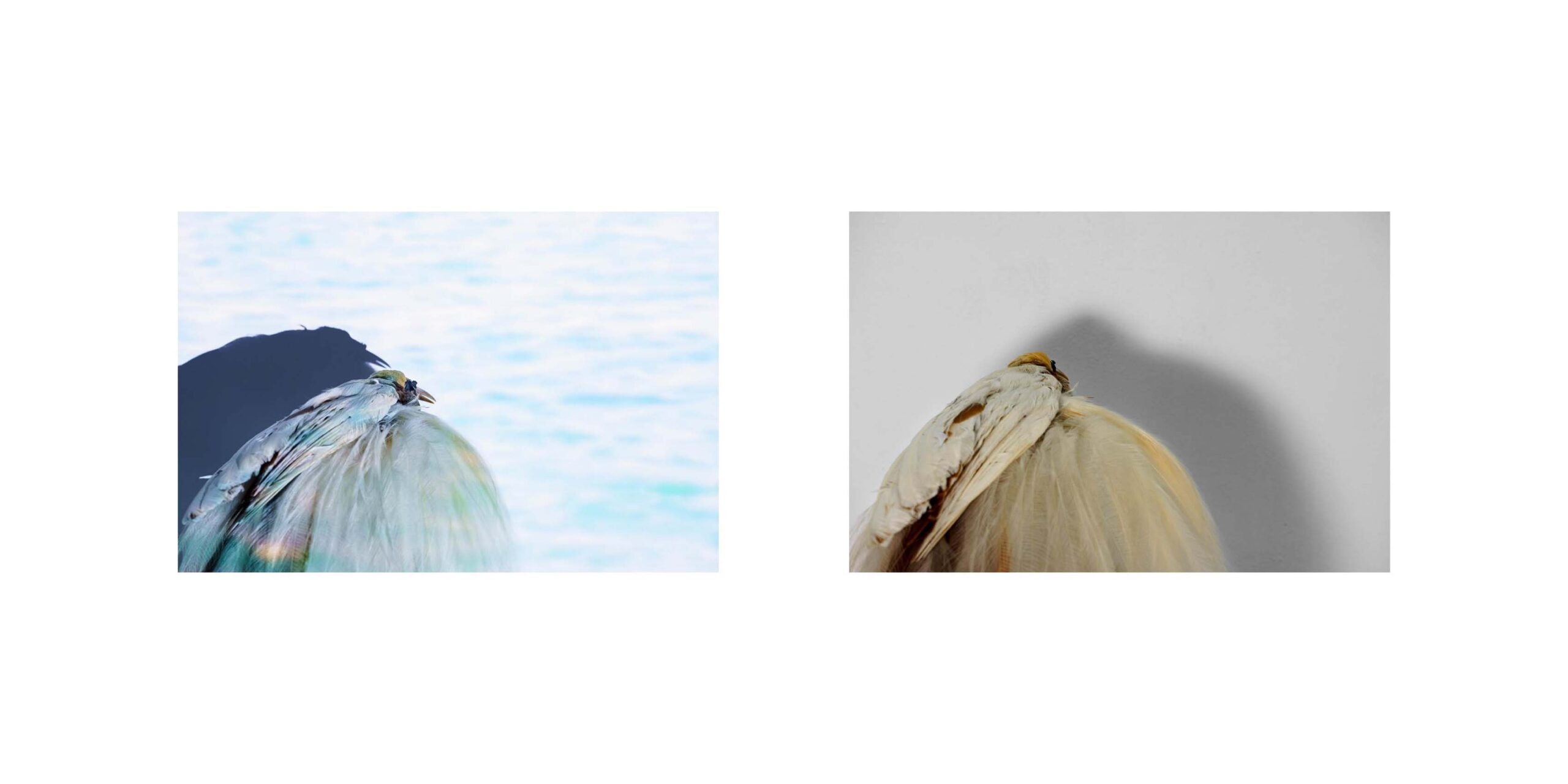
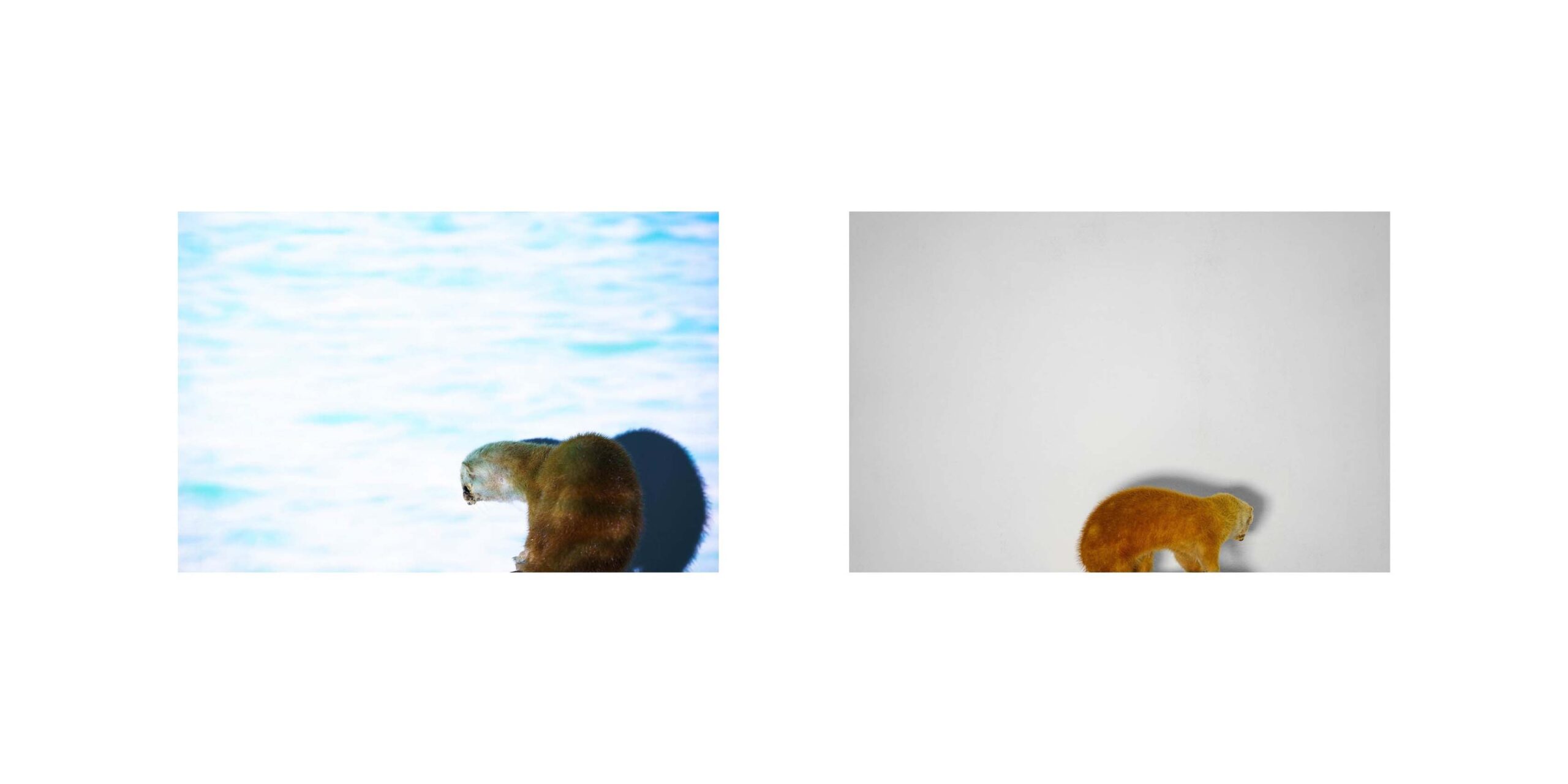
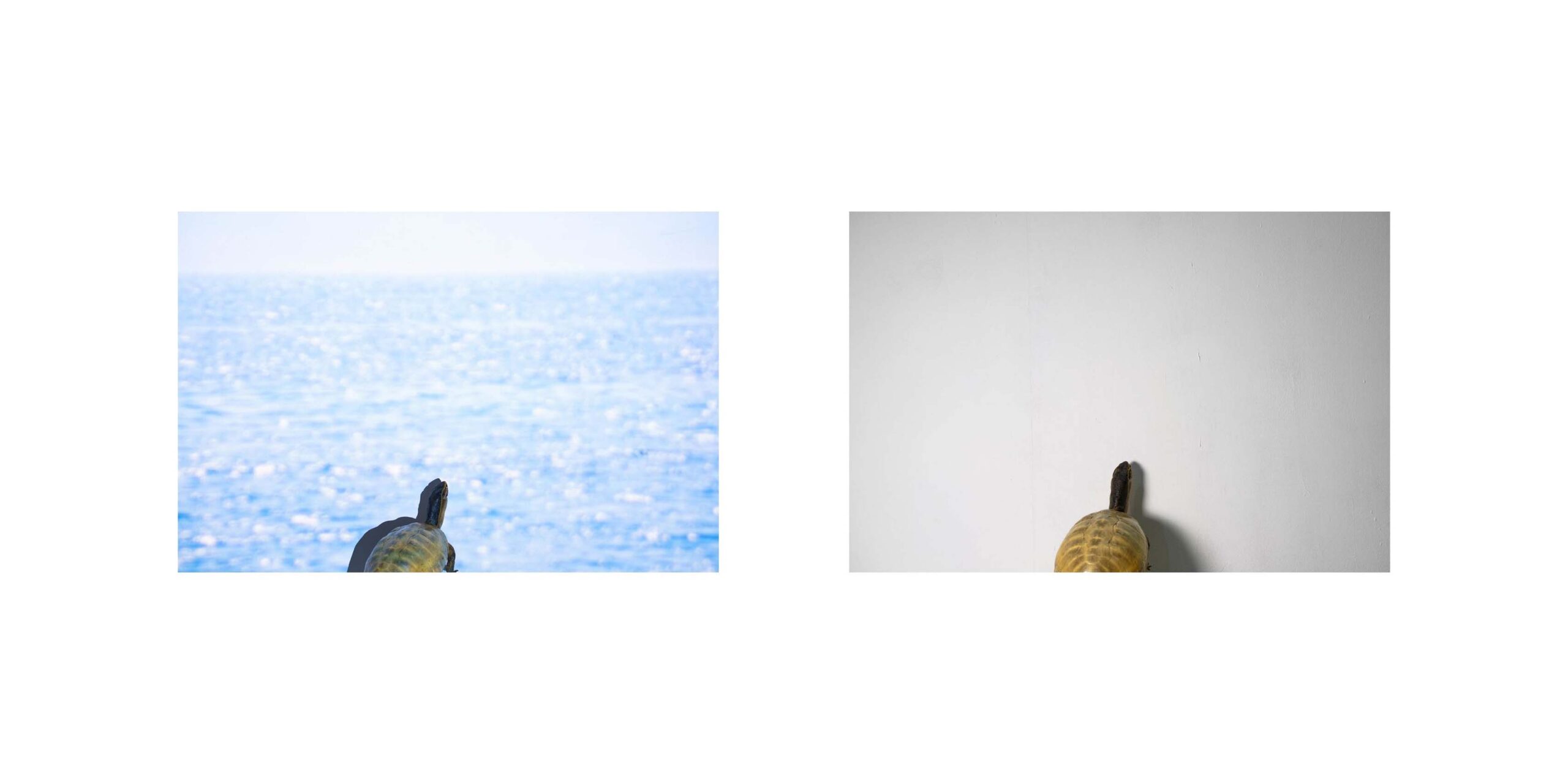
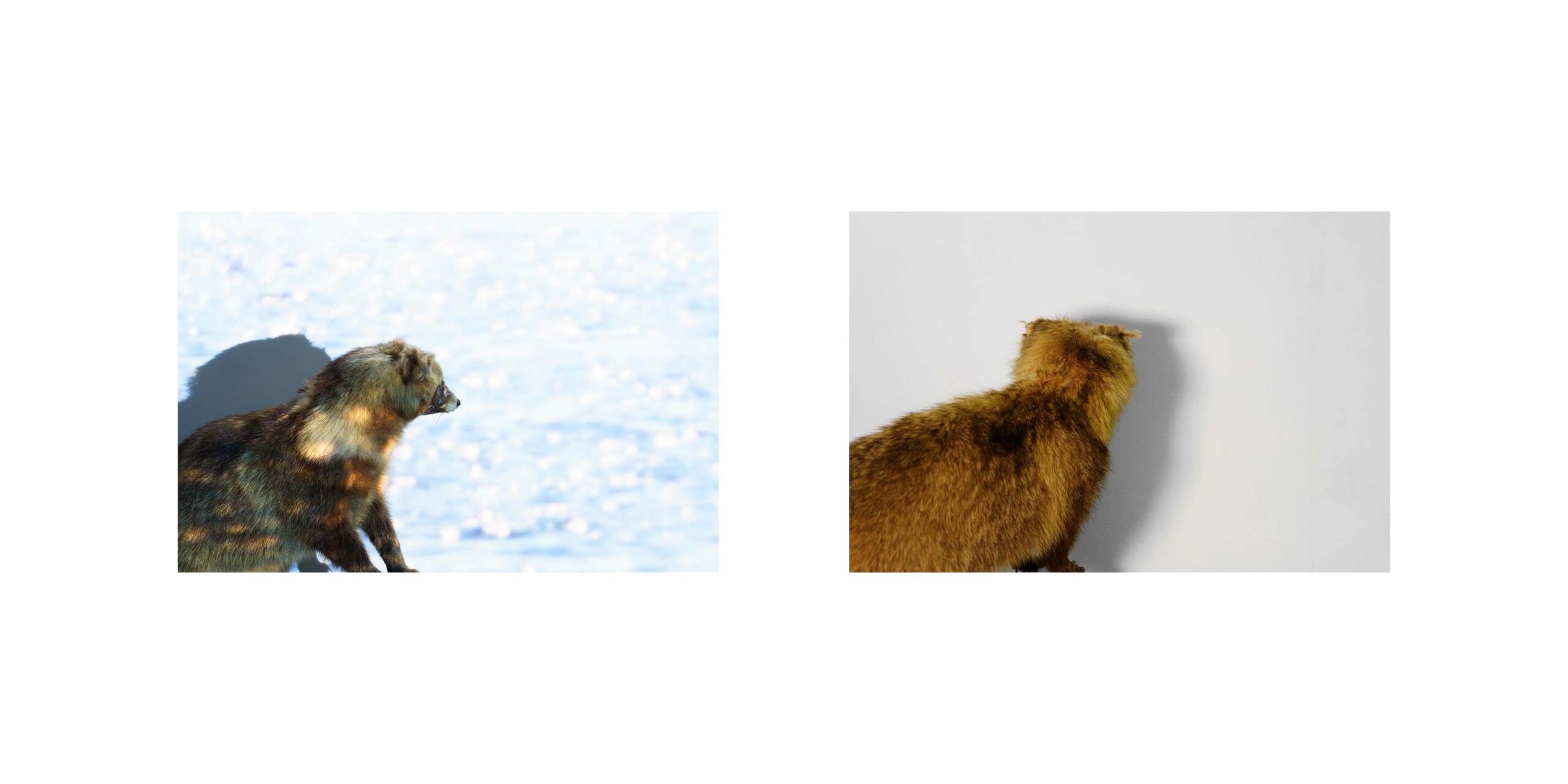
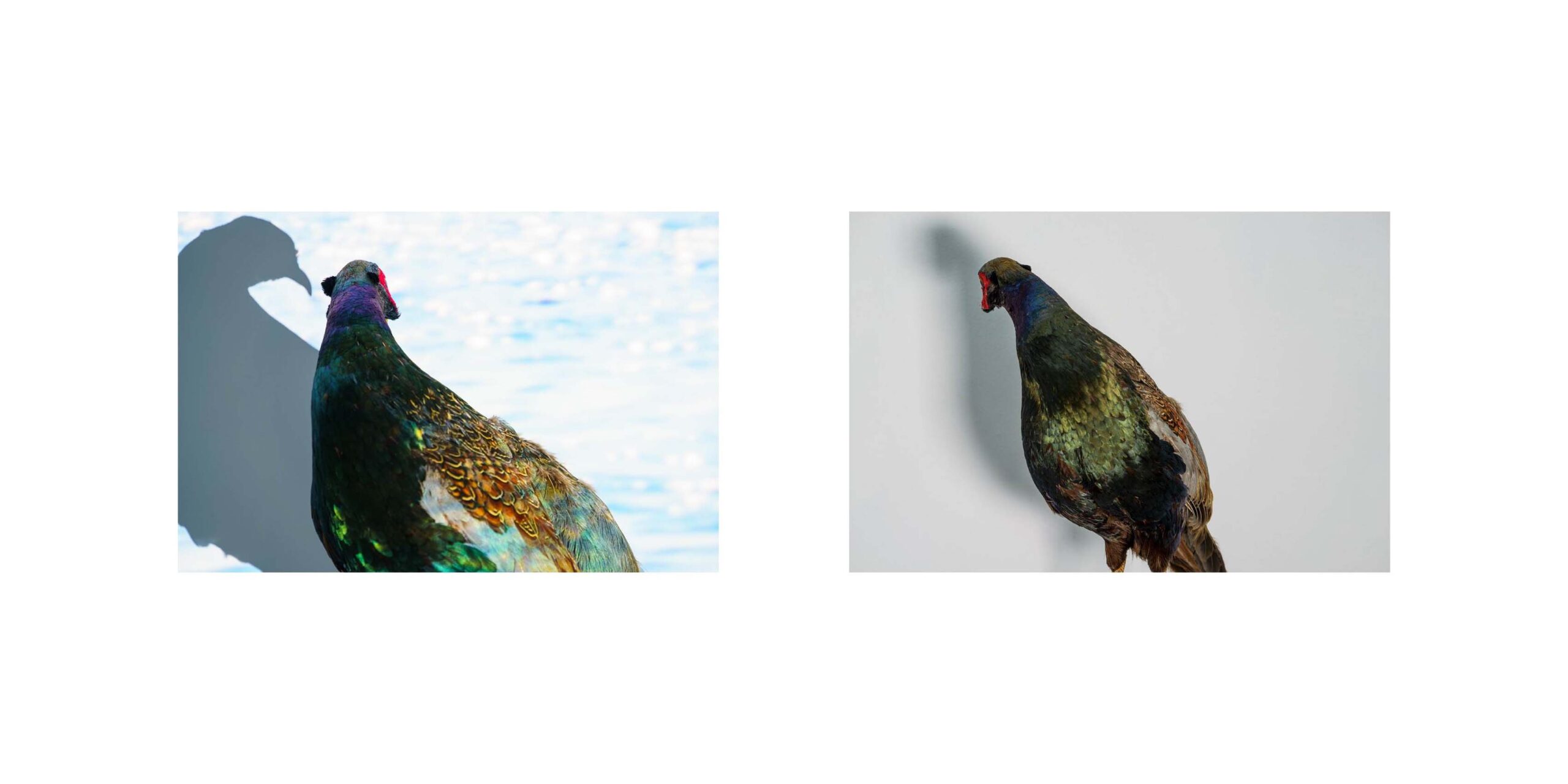
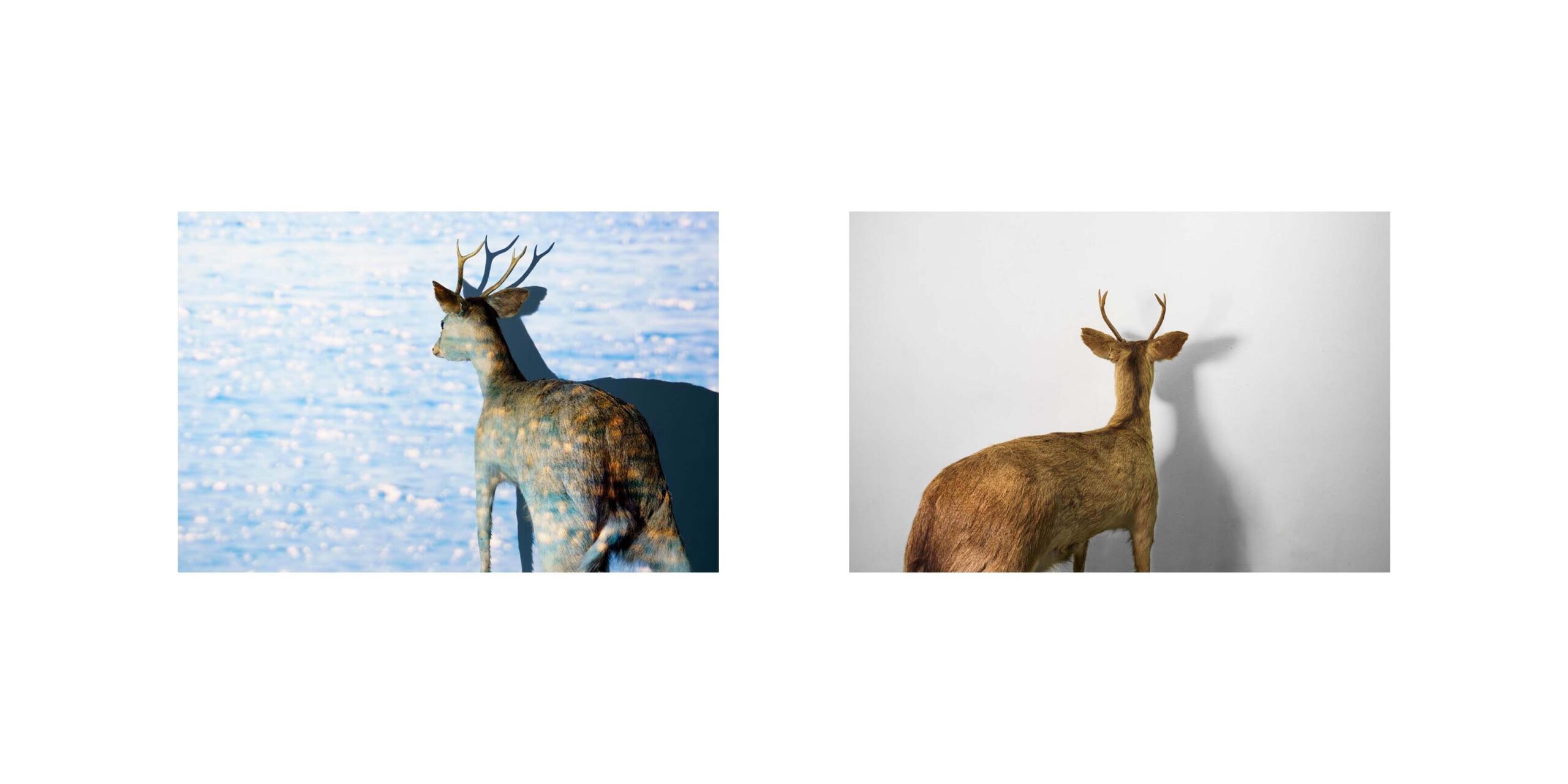
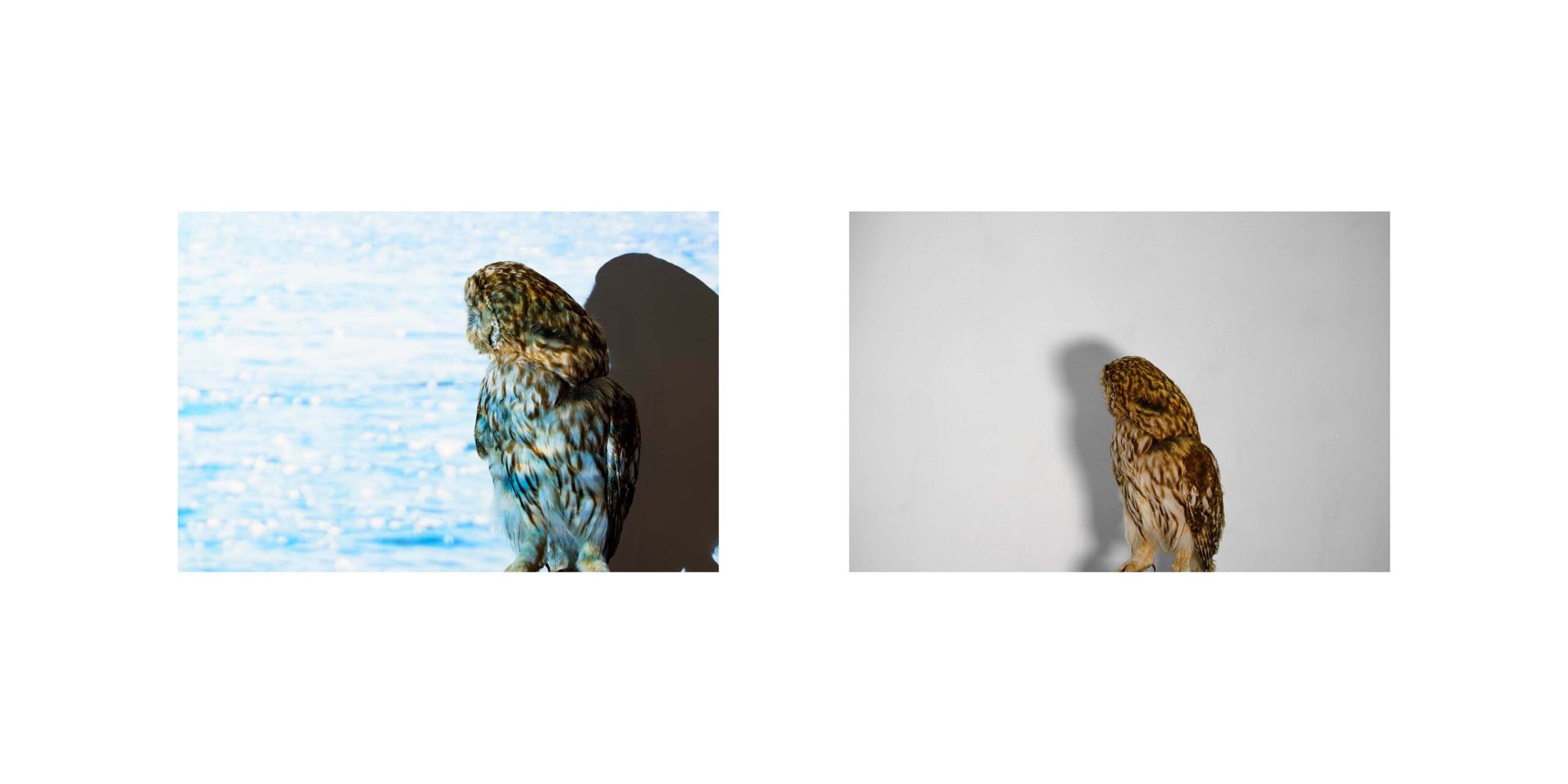
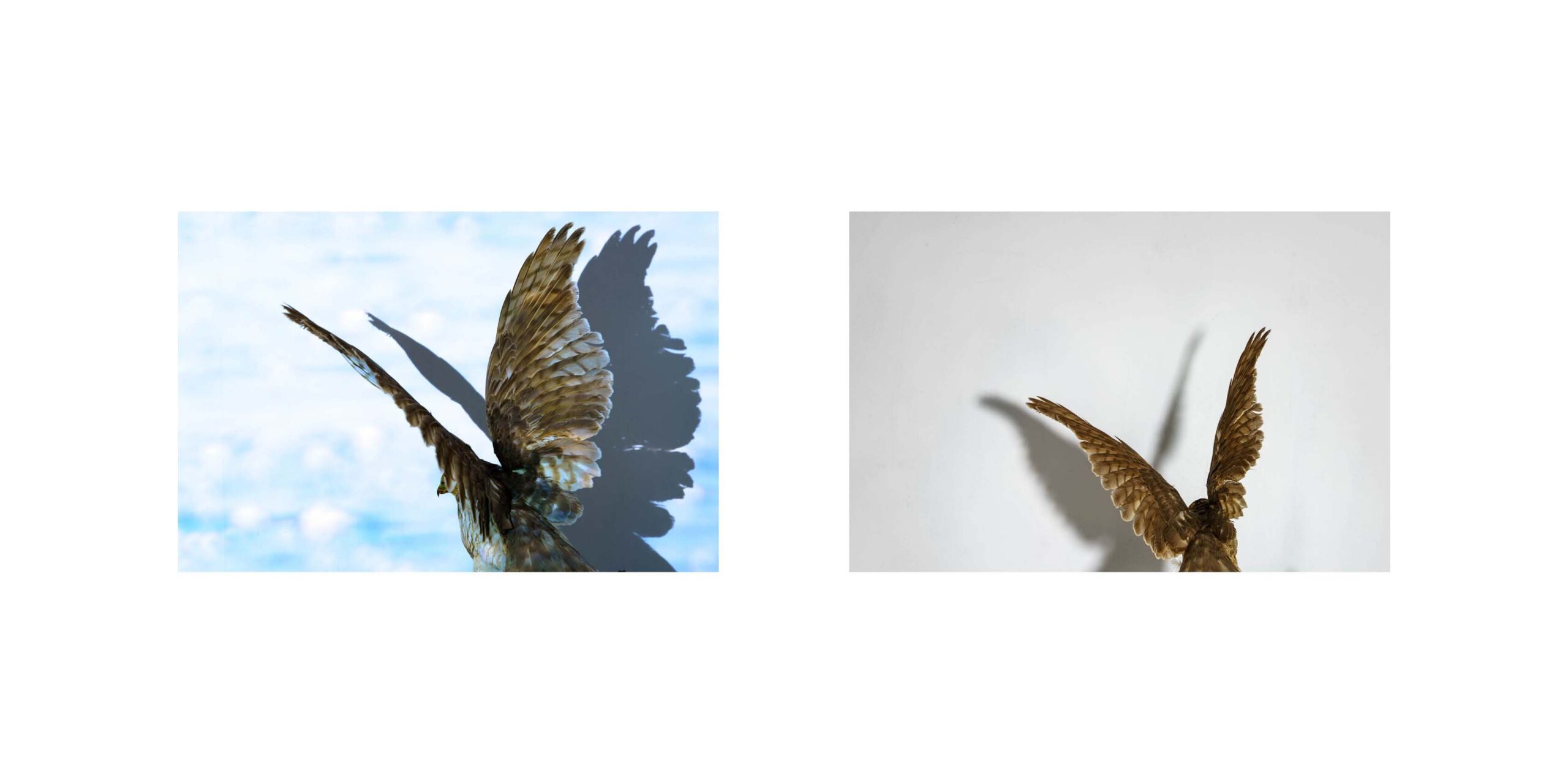
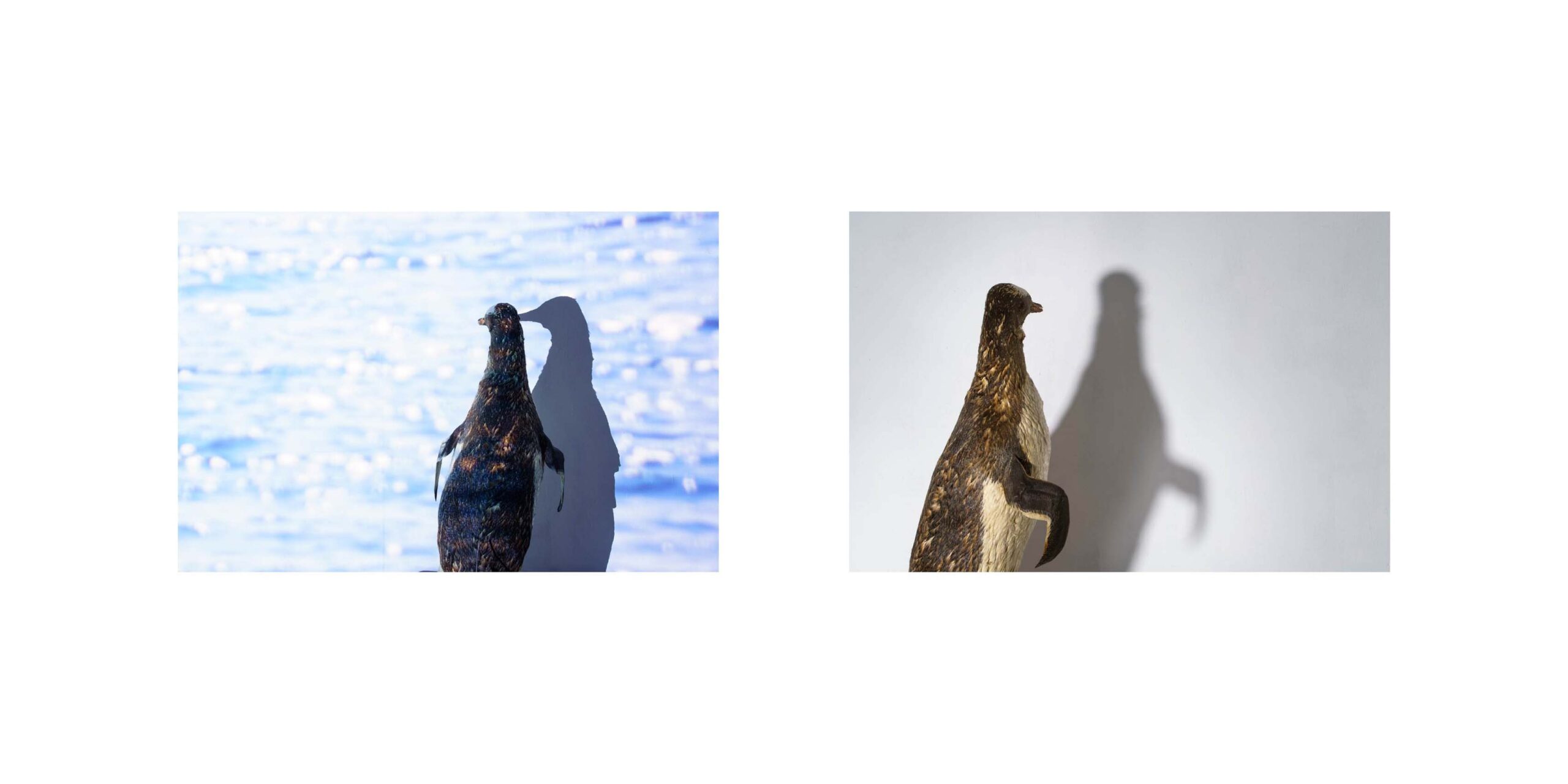
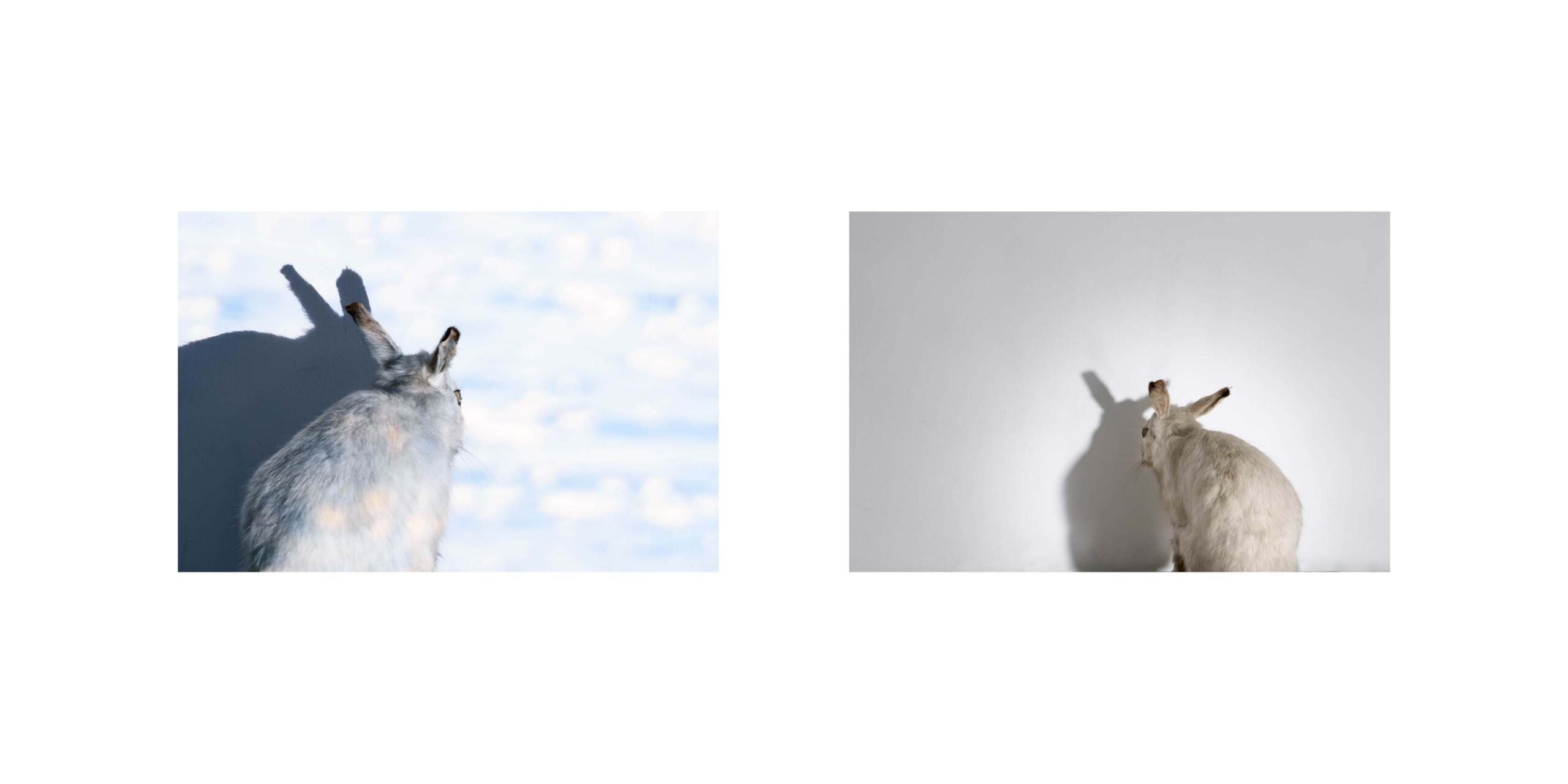
Taxidermy, once an object of awe displayed with pride, is now mechanically processed as mere “combustible waste.” I retrieve these corpses from the brink of disposal and drag them back into the light.
This is not an appeal for the dignity of life, nor is it the salvation of animals. I am simply repurposing an already dead entity as something “to be looked at” once again.
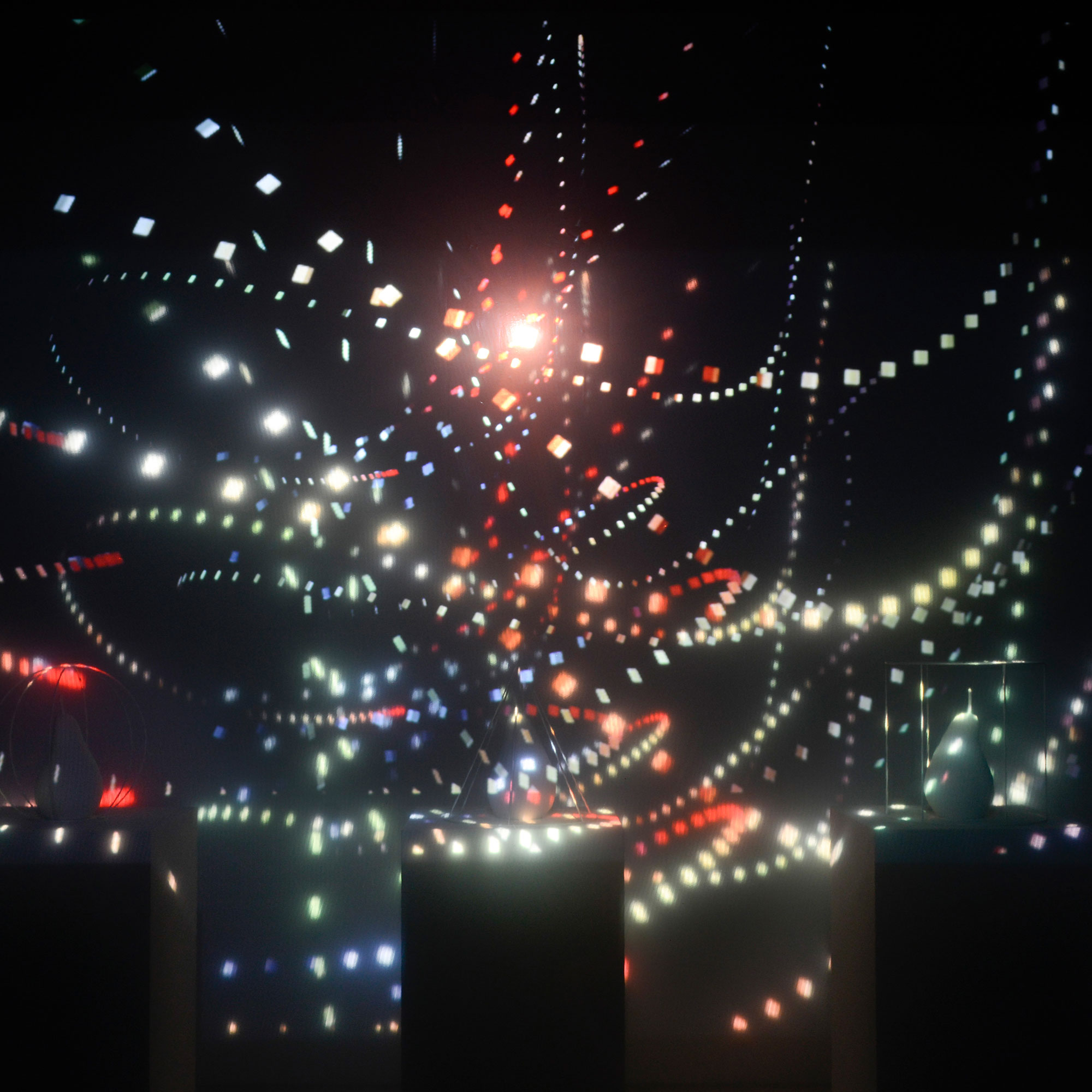
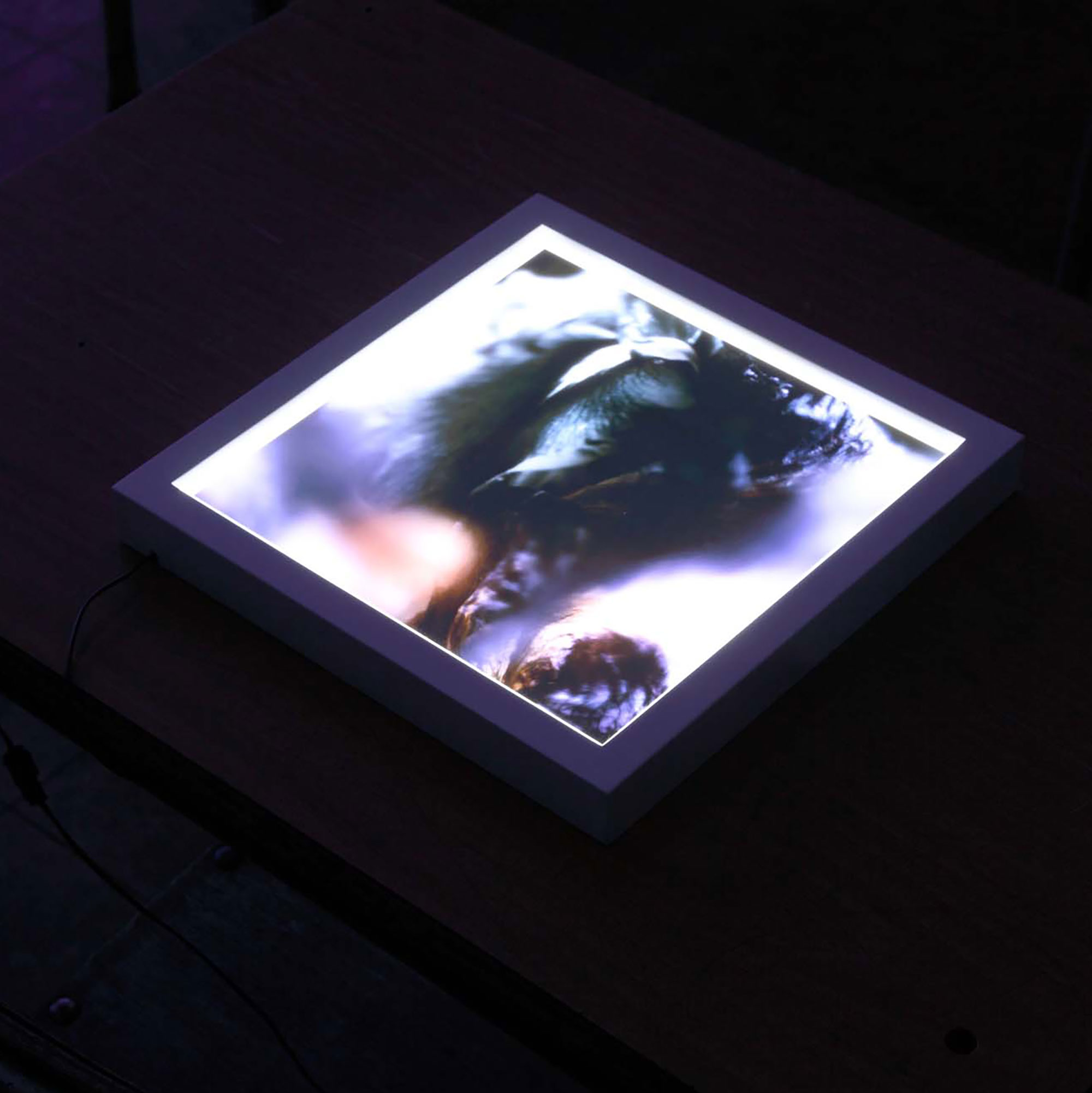
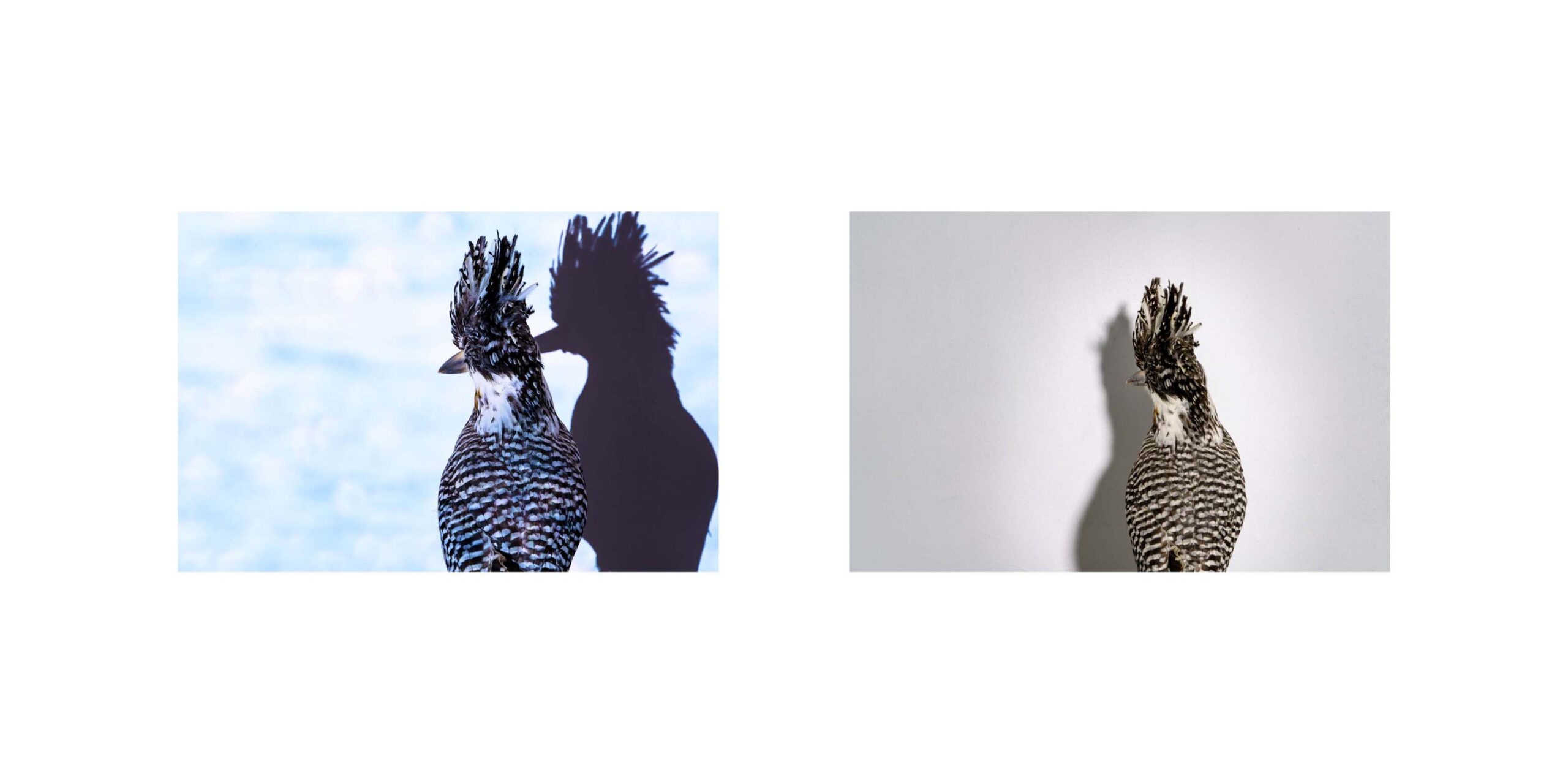
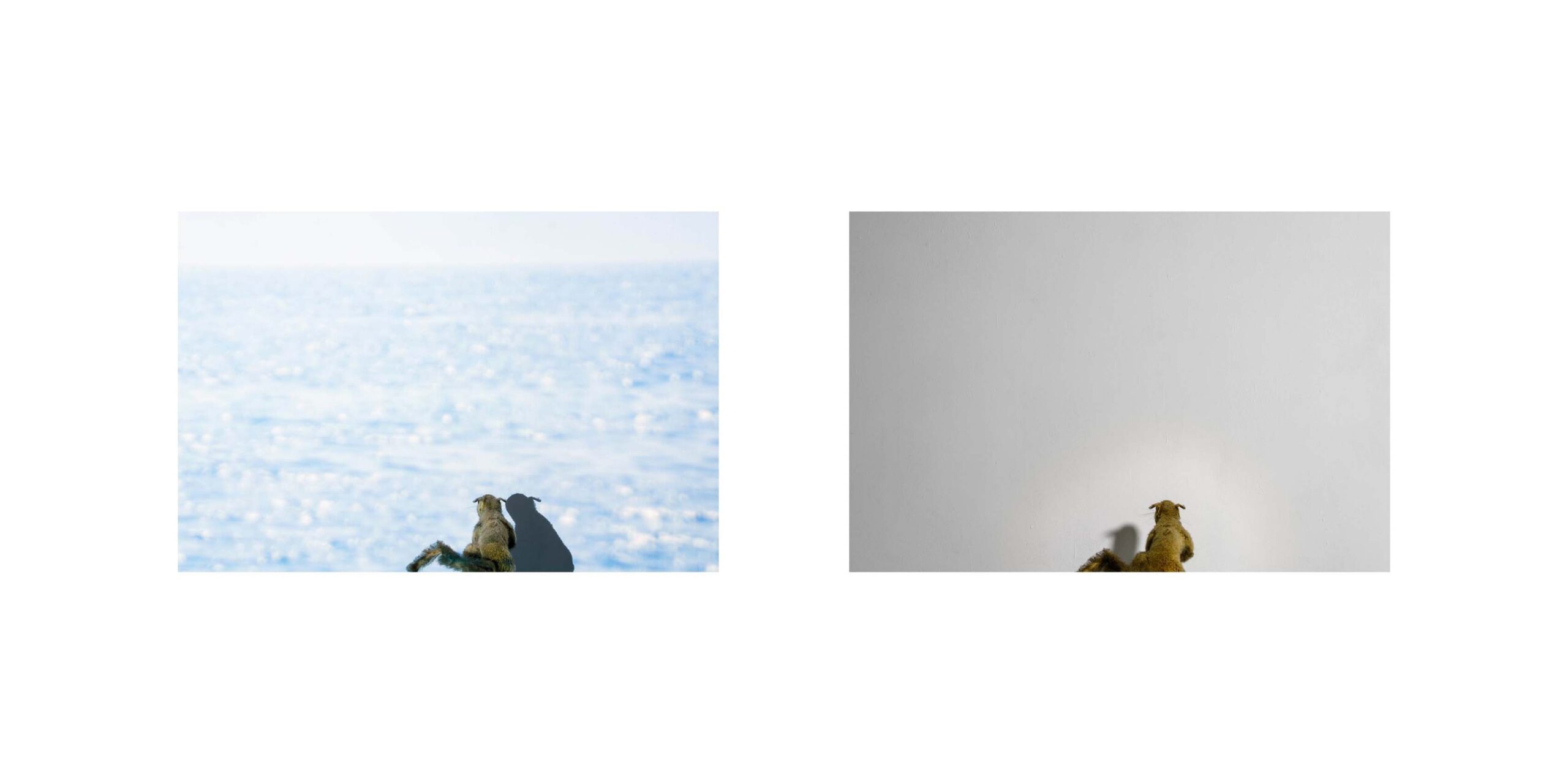
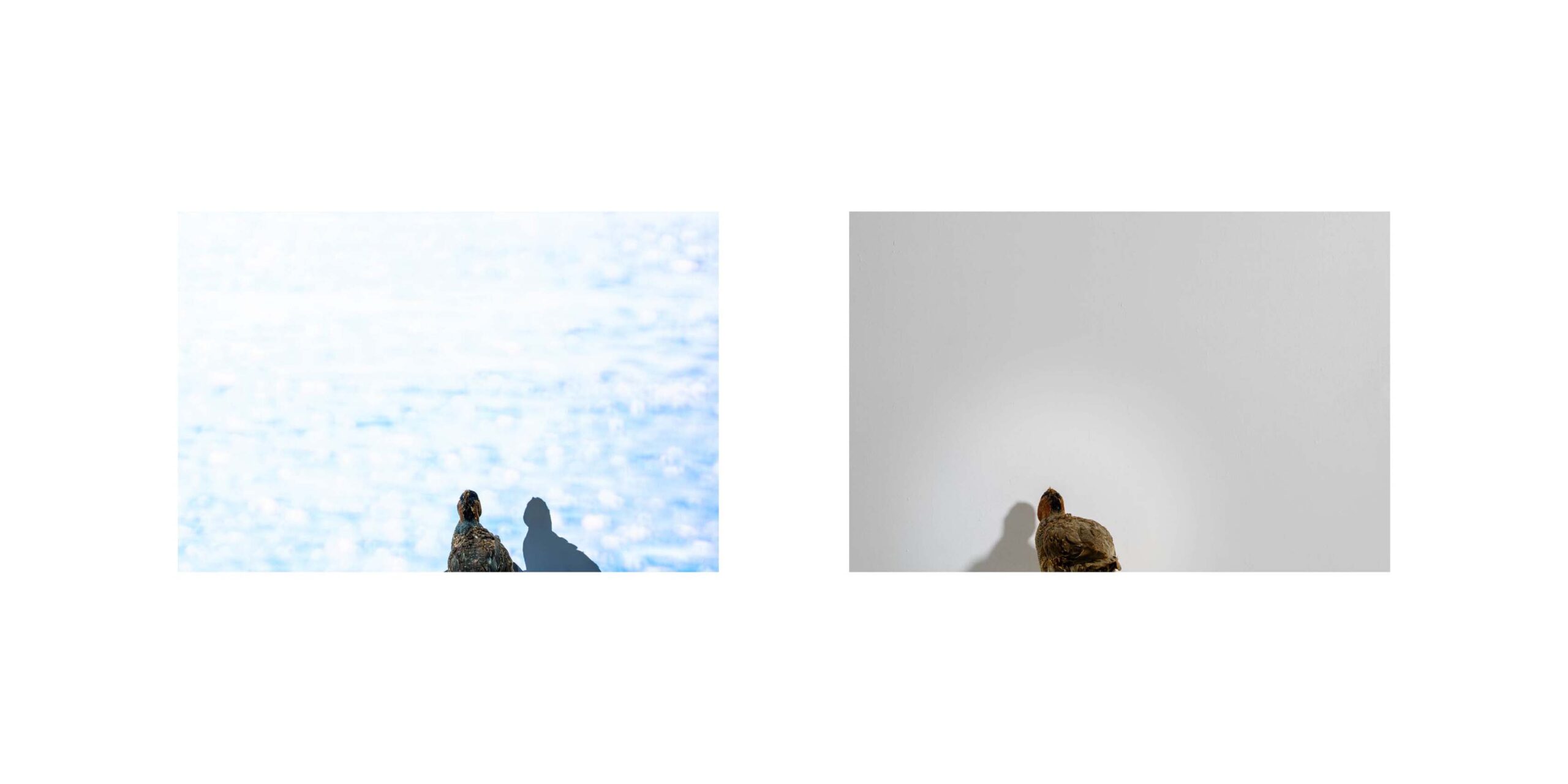
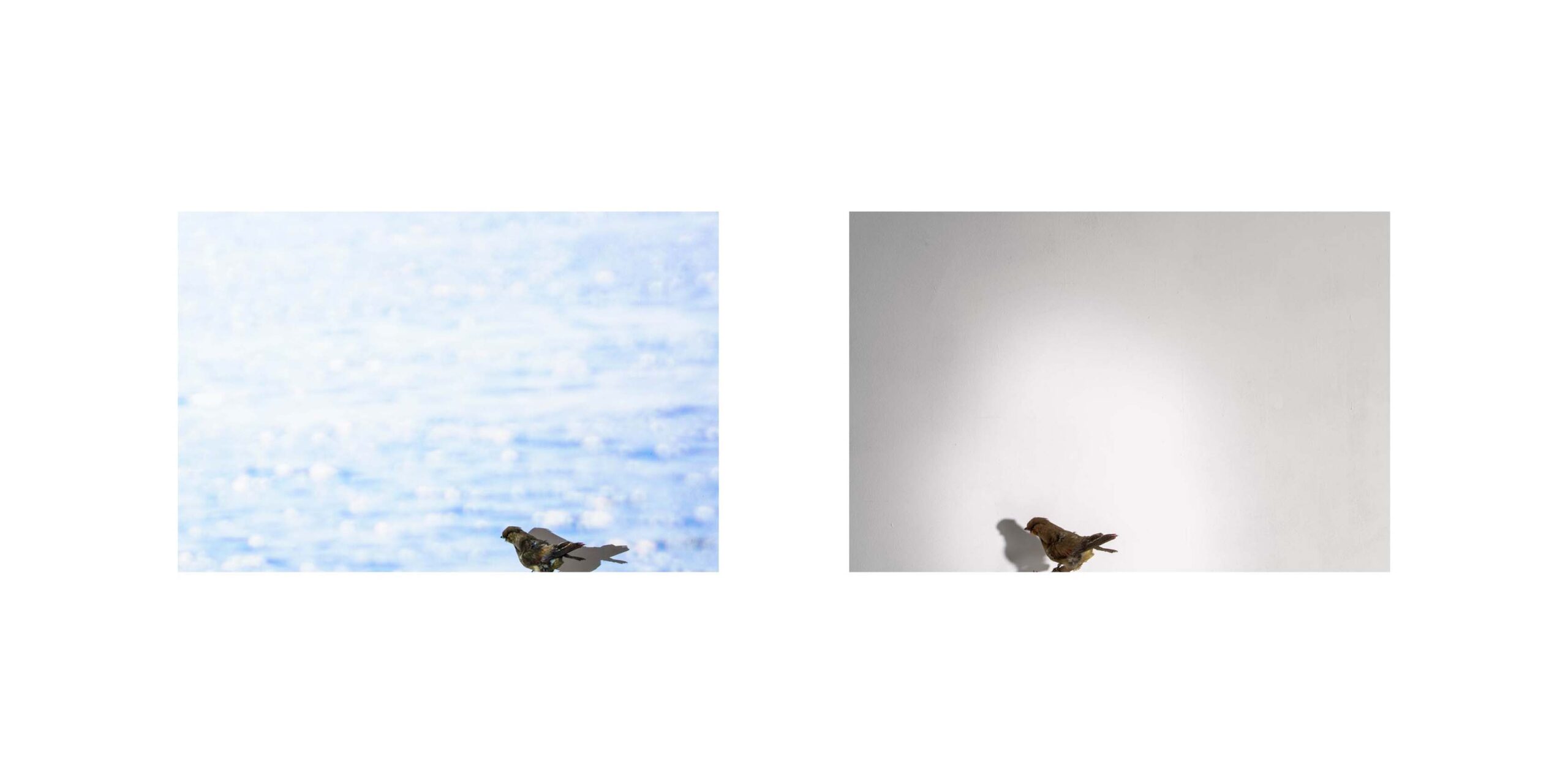
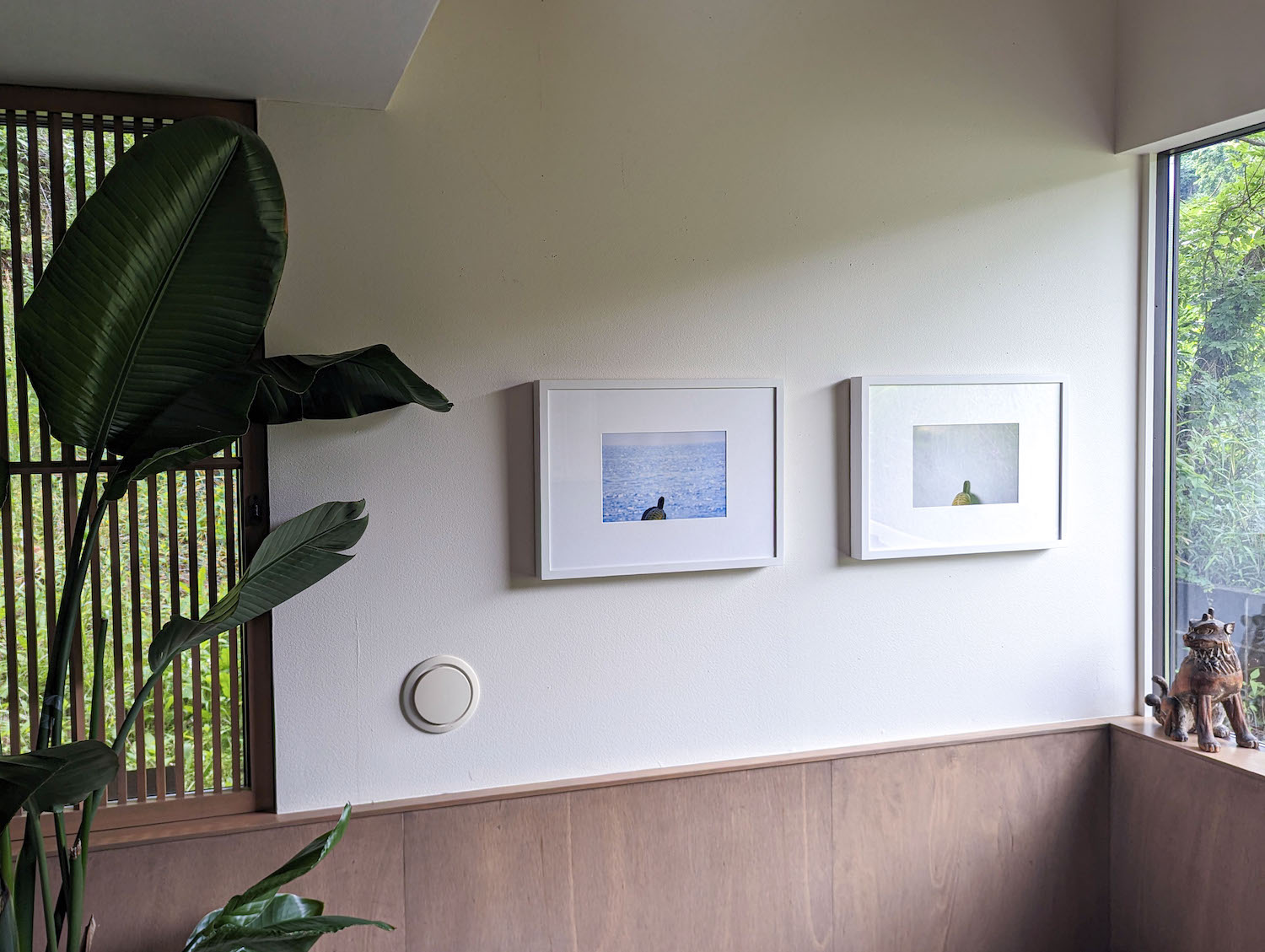
Imbued with an ocean by a projector, the taxidermy behaves as if alive. But when the light fades, it reverts to a mere object—no, to mere waste. This oscillation is not the resurrection of life, but a highly intentional “manipulation of visibility.”
We feel nothing for a corpse sent to the incinerator. Yet, the moment it is illuminated and given a narrative, we react: “How beautiful,” “How pitiful.” Why do our ethics activate only at the exact moment of visualization? What we revere is not life itself, but a staged life.
This work is an experiment utilizing corpses to expose the “triggering conditions of our ethics.” Taxidermy does not exist between sacred life and mere garbage. It is suspended between the intensity of our gaze and our irresponsible sentimentality. I re-stage death. You are moved by it. This work exists not to mourn the dead, but to visualize the “complicity” between you and me as we consume this staged death.
To contextualize, this concept is deeply rooted in Japan’s cultural background. Historically, taxidermy in Japan was displayed in a “Tokonoma”—a sacred alcove for art and objects of reverence. This was connected to Animism and the ancient belief in “Yaoyorozu no Kami” (eight million gods), dictating that spirits reside in all things.
Today, these once-sacred entities have lost their place. Under current laws, taxidermy is systematically disposed of as mere “combustible waste.” Yet, many people still hesitate at the exact moment of throwing them away, sensing the faint residue of a once-living spirit.
Taxidermy in contemporary Japan is violently suspended in a fractured reality: torn between ancient animistic reverence and the cold bureaucracy of modern mass consumption.
This hesitation is not a beautiful tradition; rather, it is the breeding ground for the “irresponsible sentimentality” and “manipulation of visibility” I address above. By projecting life onto these discarded corpses, I extract and critique the contradictory nature of modern society—a society retaining the illusion of animism only when convenient or aesthetically pleasing.





 By
Masahito Koshinaka
By
Masahito Koshinaka